
Flora, Fungi & Mushrooms
Flora, Fungi & Mushrooms
Flora, Fungi & Mushrooms
Introduction to Lapland's Ecosystem – Flora, Fungi & Mushrooms
Lapland, a vast region in the northern reaches of Scandinavia, is renowned for its striking landscapes and unique biodiversity.
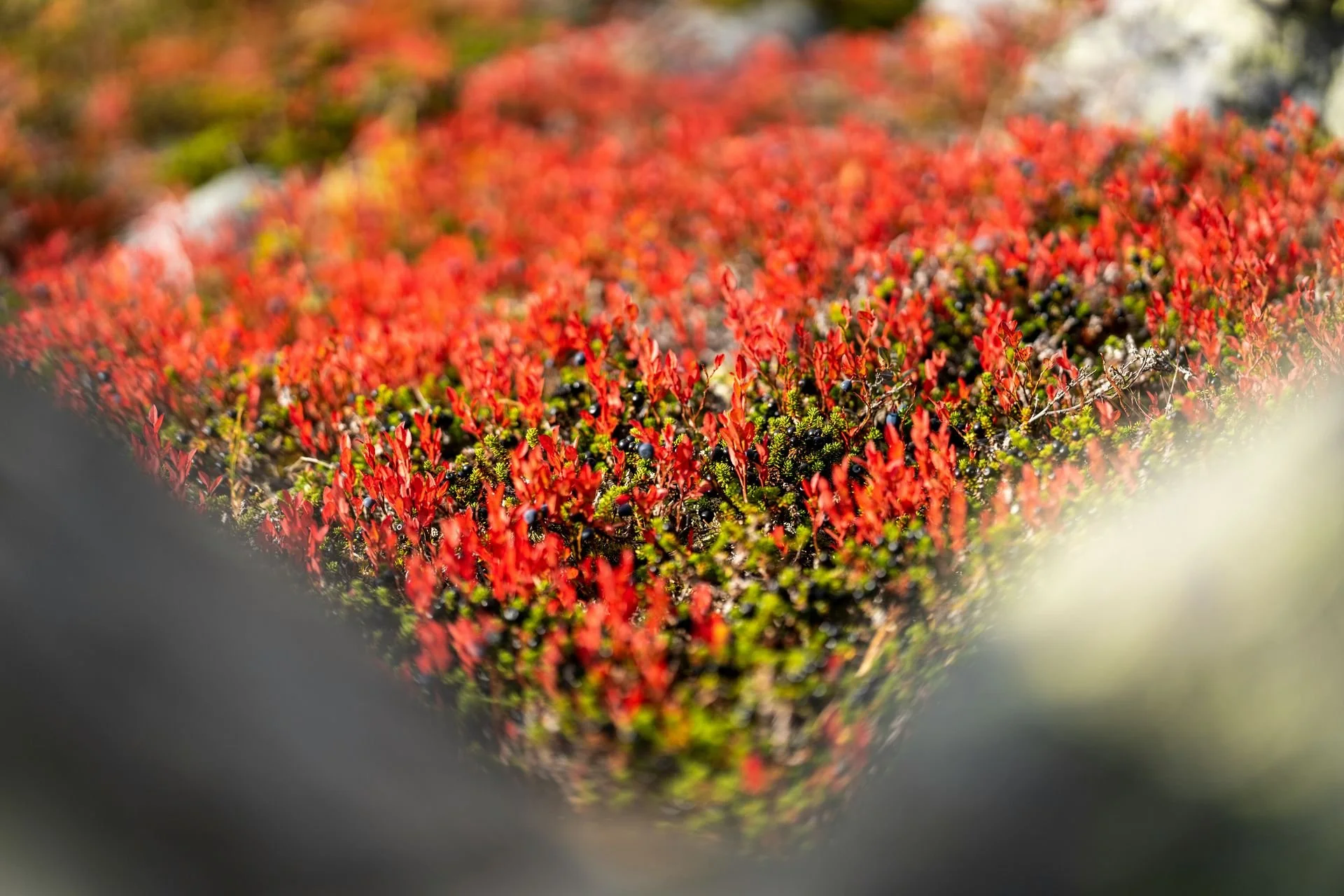
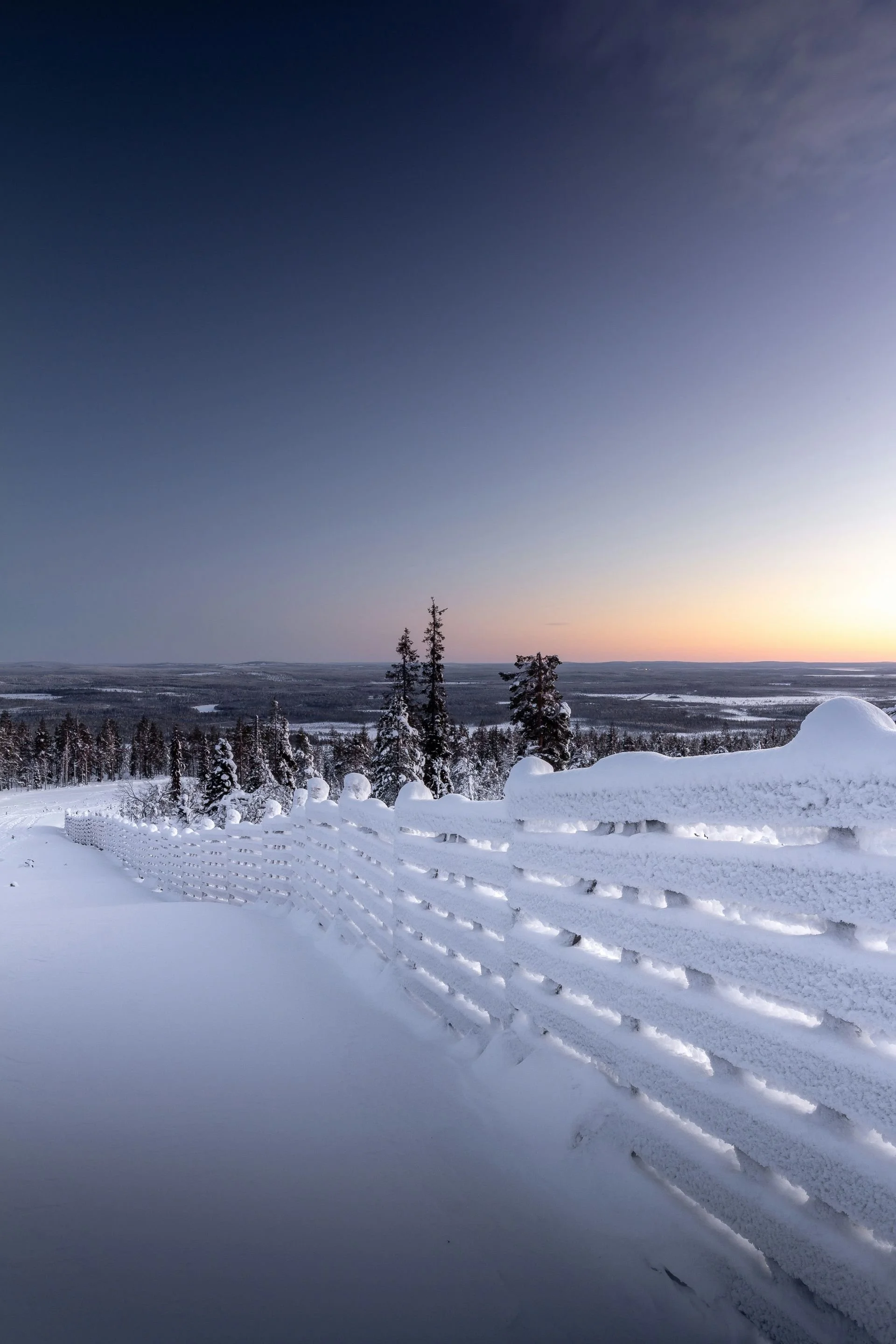
The harsh Arctic climate, characterised by long, cold winters and short, intense summers, has led to the evolution of a wide array of flora and fauna. This region's ecosystems are a testament to the resilience and adaptability of nature, showcasing an intricate interplay between its plant and animal life.

Flora of Lapland
Trees
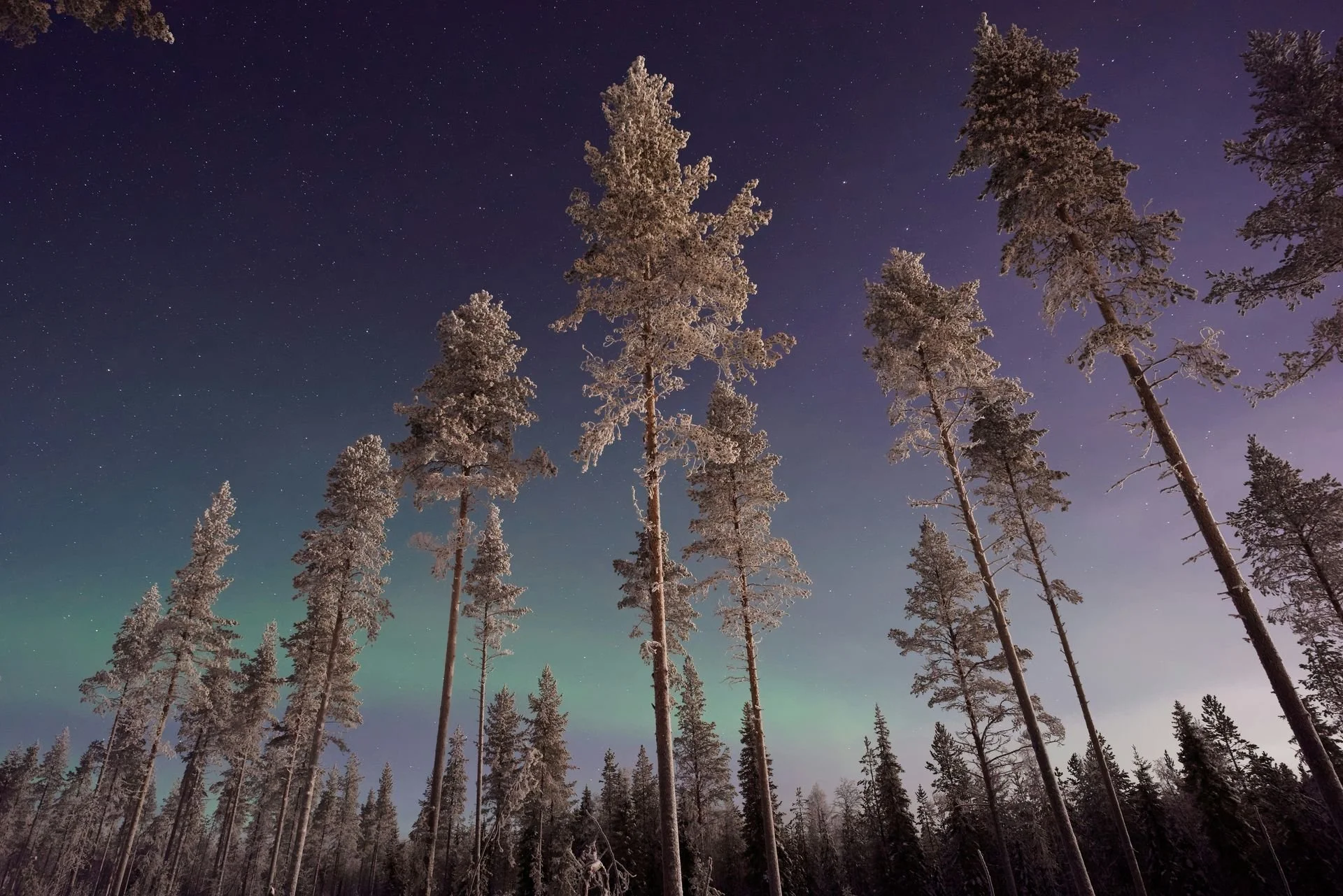
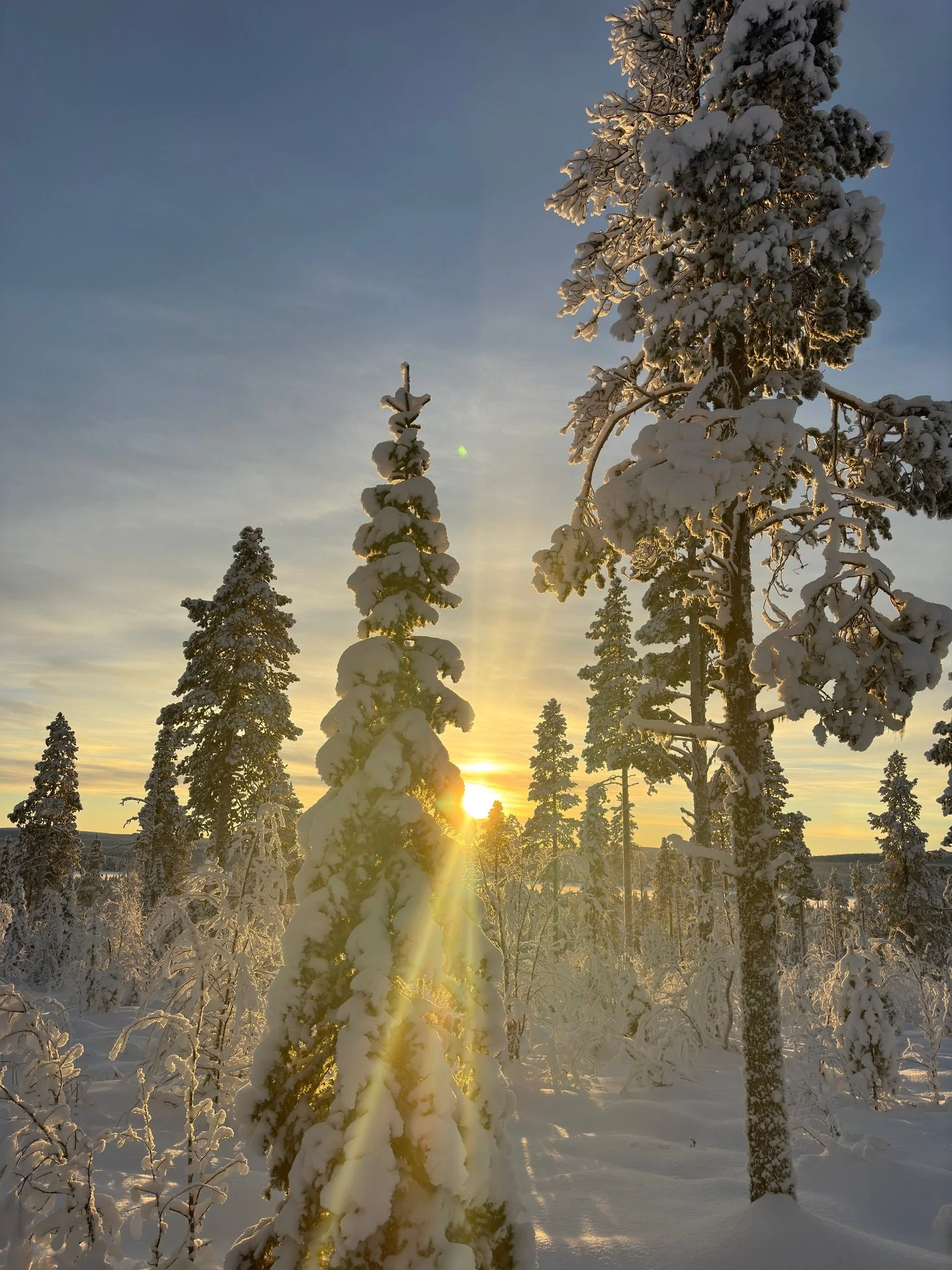
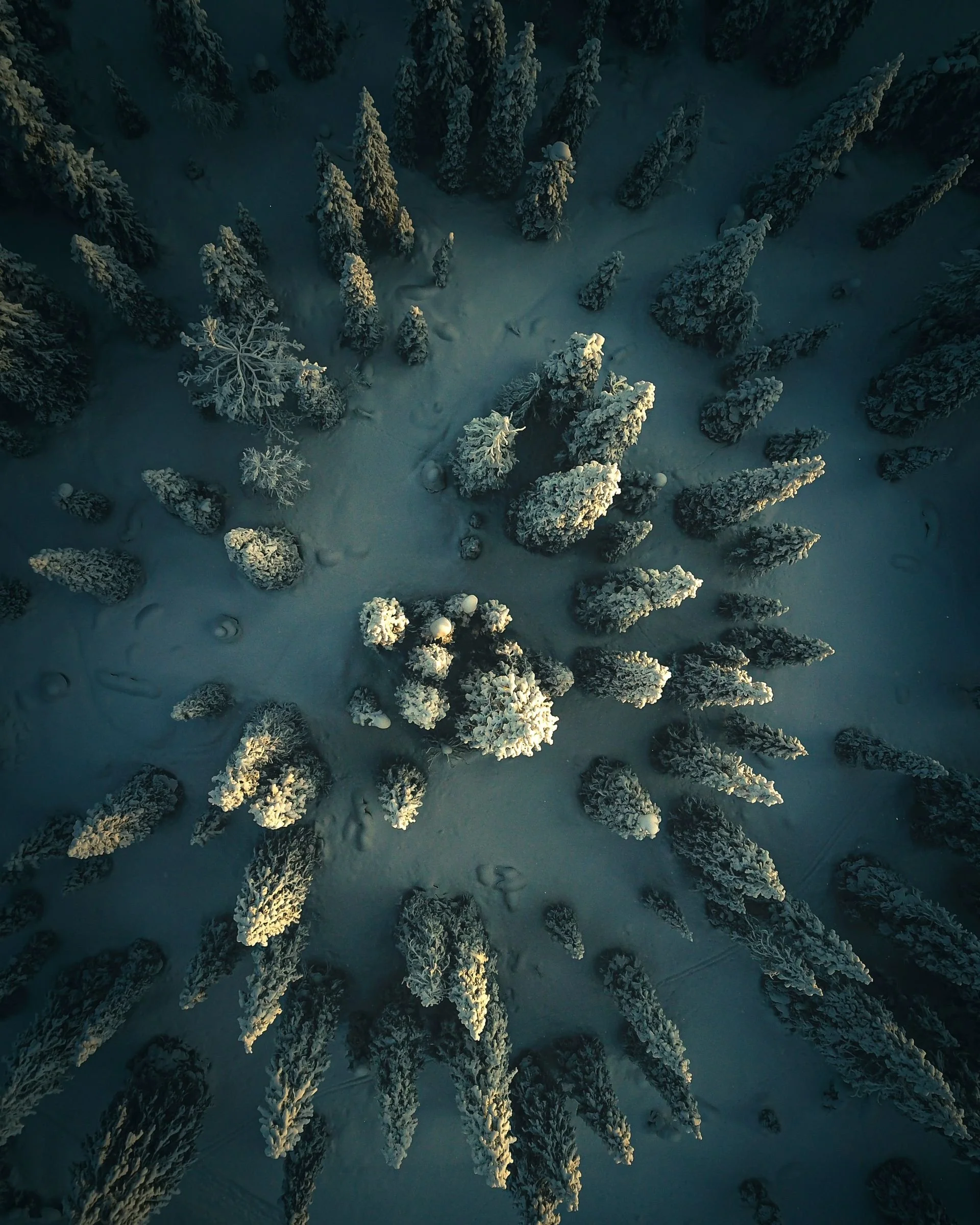
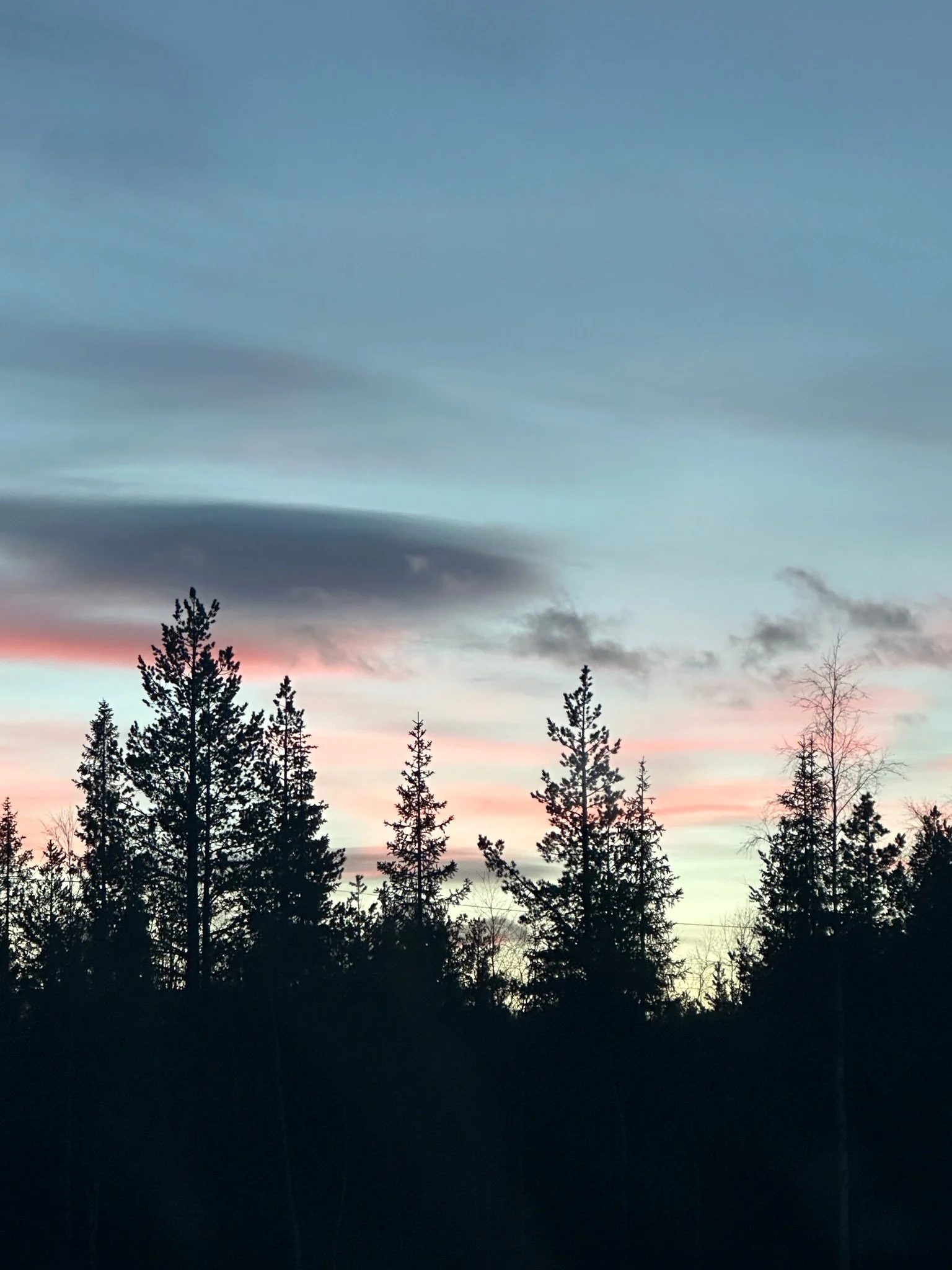
The boreal forests of Lapland are dominated by coniferous trees, which form a critical component of the region's ecosystems.
Spruce
Norway spruce is a prevalent species in Lapland's forests. These trees provide essential habitat and food for many species. Their dense canopies offer shelter from harsh weather, and their seeds are a food source for birds and small mammals.
Pine
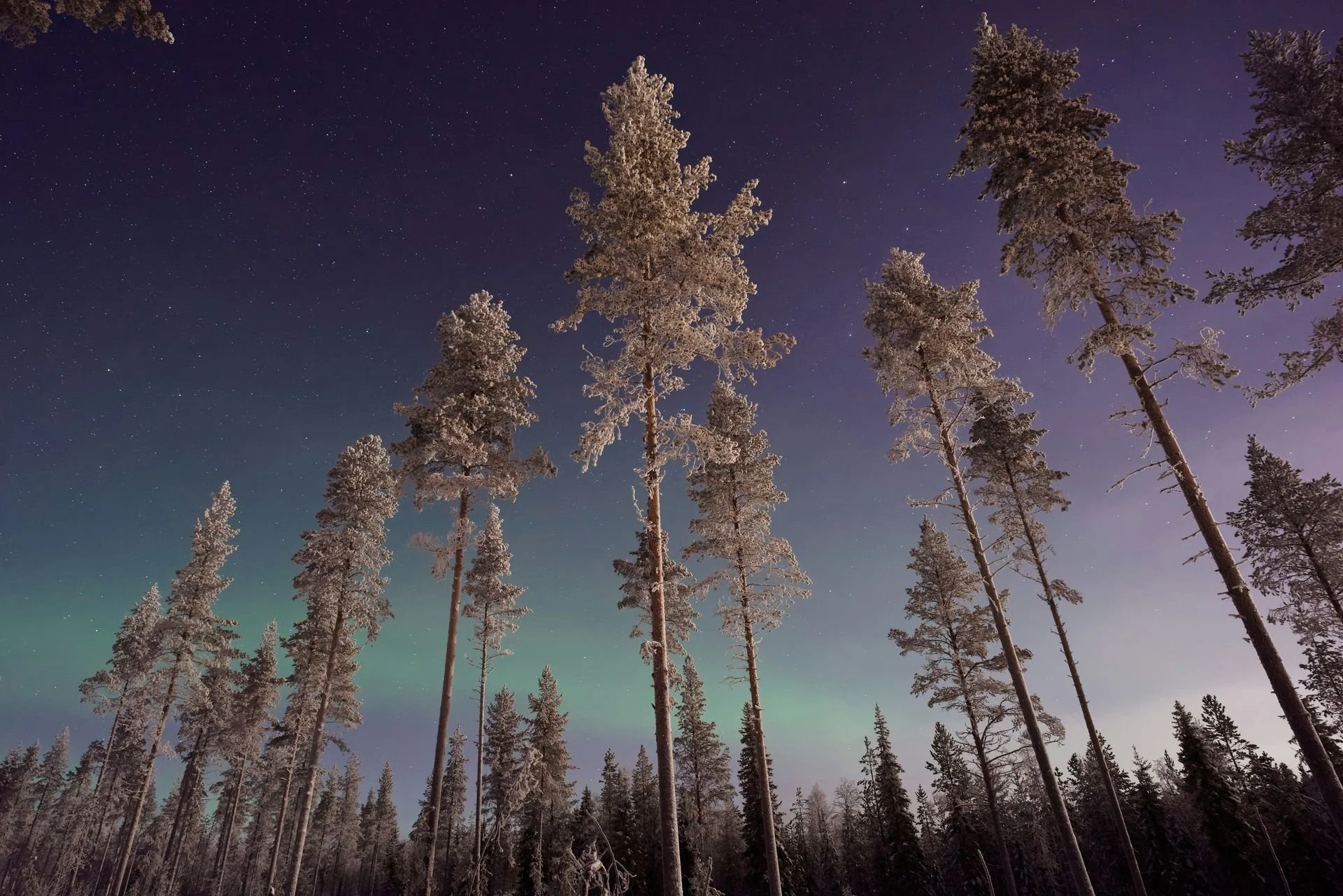
Scots pine, another common conifer, is well-adapted to the nutrient-poor soils of Lapland. These trees play a vital role in the forest ecosystem, supporting various lichens and mosses that grow on their bark. Pine needles are a primary food source for certain bird species and small mammals.
Birch
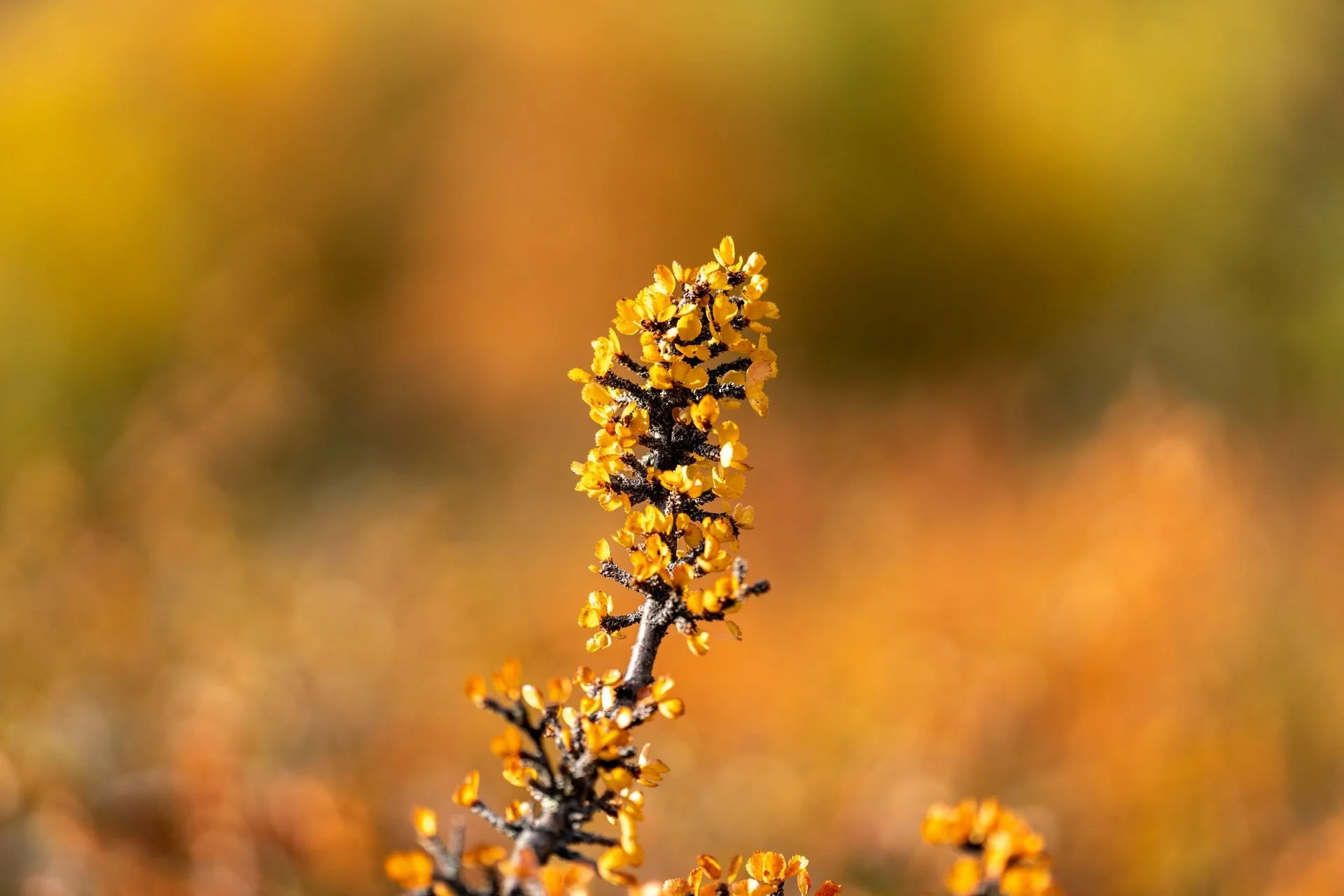
Downy and silver birches are widespread in Lapland, particularly in transitional zones between forests and tundra. Birches are pioneer species, often colonizing disturbed areas. They provide food and habitat for a range of insects and birds. Their leaves and buds are consumed by herbivores like moose and reindeer.
Mushrooms
Mushrooms thrive in Lapland's forests, particularly during the late summer and autumn months. The region's damp conditions and rich organic matter create an ideal environment for fungal growth.
Chanterelles
Chanterelles are among the most sought-after mushrooms in Lapland. Known for their distinctive yellow color and funnel-shaped caps, they grow in mossy forests, often in association with birch and pine trees. Chanterelles have a rich, peppery flavor, making them popular in local cuisine.
Boletes
Boletes, including species like the king bolete, are common in Lapland's forests. Recognisable by their thick, spongy caps and stout stems, they form symbiotic relationships with trees, enhancing nutrient absorption. Boletes are highly prized for their culinary value.
Russulas
The russula family includes a variety of brightly coloured mushrooms found throughout Lapland. These mushrooms come in a range of colours, from red to green, and are often seen in mixed forests. Some species are edible, while others are not, requiring careful identification.
Other Fungi
In addition to these well-known mushrooms, Lapland's forests support a diversity of other fungi, including various types of bracket fungi and puffballs. These fungi play crucial roles in nutrient cycling, breaking down organic matter and contributing to soil health.
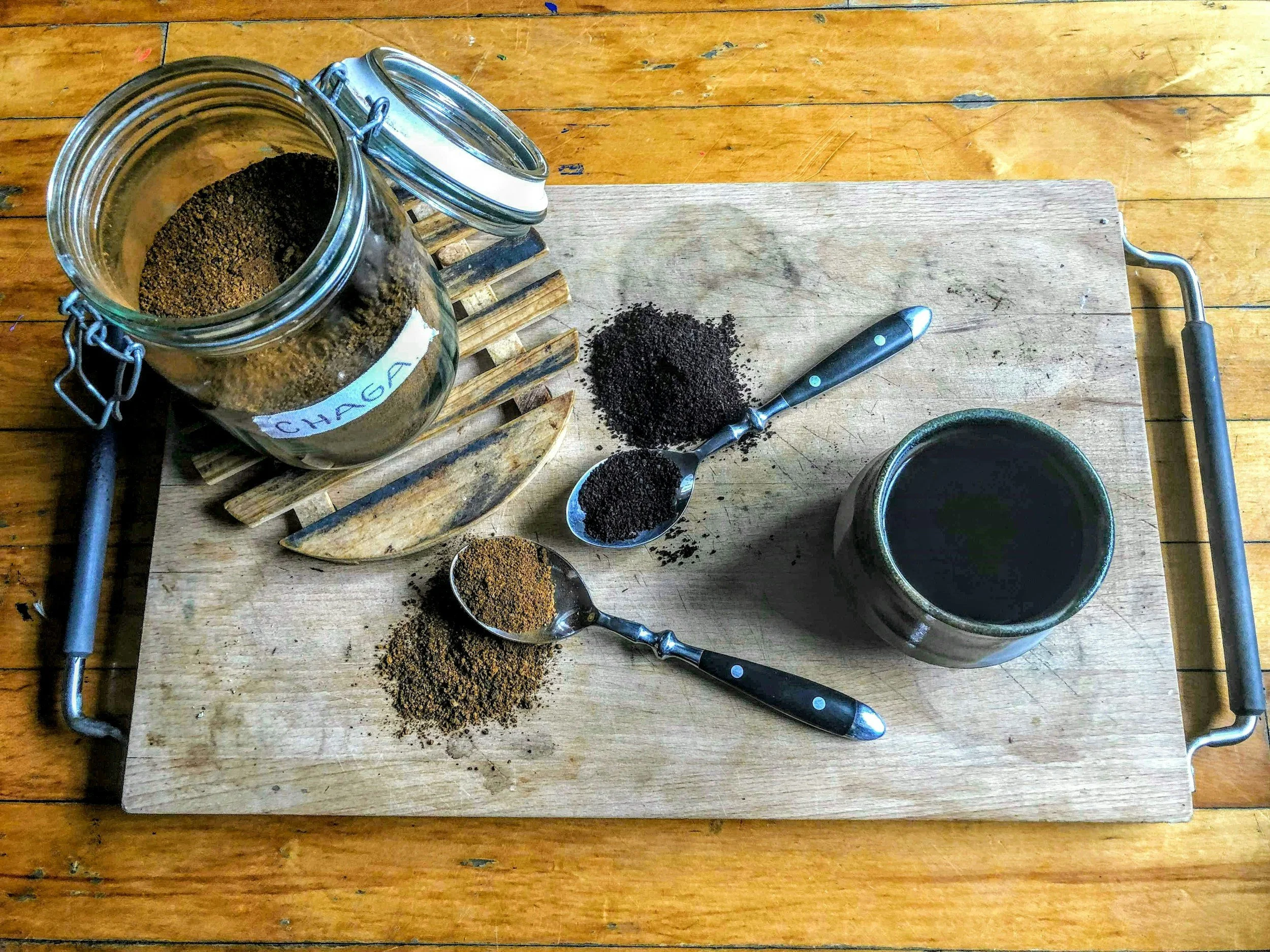
Chaga mushroom
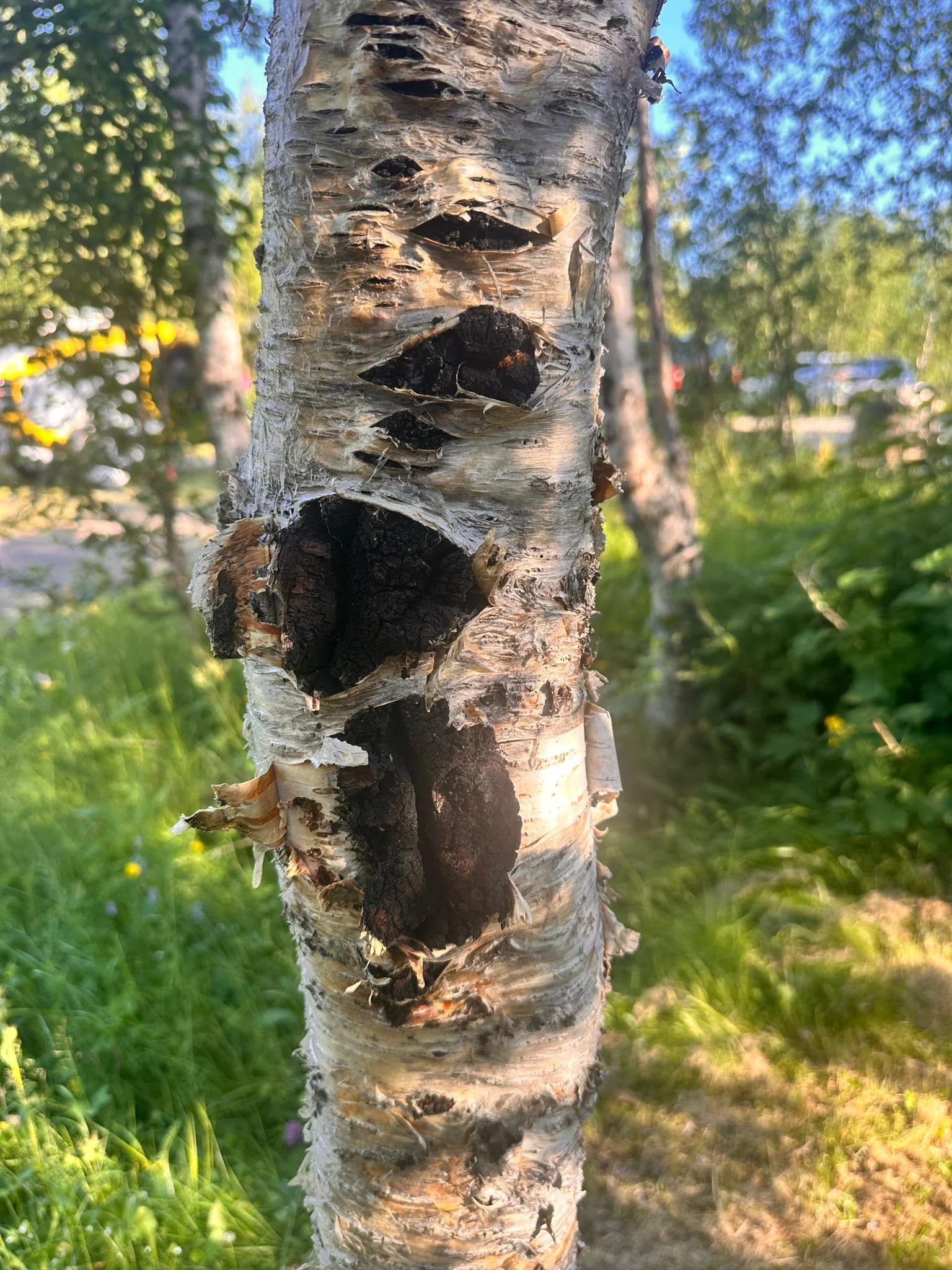
Inonotus obliquus) is a parasitic fungus that primarily grows on birch trees in cold climates, including Lapland.
It appears as a dark, charcoal-like mass on the tree's bark, contrasting with the birch's lighter colour.
Where to Find Chaga in Lapland
In Lapland, chaga mushrooms are commonly found on birch trees in boreal forests. They thrive in the cold, harsh environments of the Arctic and sub-Arctic regions. To locate chaga, look for older birch trees, as the mushroom typically grows on mature trees with a diameter of at least 10 inches. It's often found at eye level or higher, requiring careful observation.
Health Benefits of Chaga
Chaga mushrooms have been used in traditional medicine for centuries, particularly in Russia and other parts of Northern Europe. Here are some of the key health benefits attributed to Chaga:
Rich in Antioxidants: Chaga is known for its high antioxidant content, which helps combat oxidative stress and may reduce the risk of chronic diseases. The antioxidants in chaga are believed to support overall health by neutralising harmful free radicals.
Immune System Support: Chaga contains beta-glucans and polysaccharides, which are compounds known to enhance immune function. These compounds may help modulate the immune response, potentially improving the body’s ability to fight infections.
Anti-Inflammatory Properties: The mushroom's bioactive compounds may help reduce inflammation in the body. Chronic inflammation is linked to various health conditions, including arthritis and heart disease, making chaga a potential natural remedy.
Potential Anticancer Effects: Some studies suggest that chaga may have anticancer properties. Its compounds may help slow the growth of cancer cells and promote apoptosis (programmed cell death). However, more research is needed to confirm these effects in humans.
Supports Digestive Health: Chaga may aid in maintaining a healthy digestive system. Its polysaccharides are believed to support gut health by promoting the growth of beneficial gut bacteria.
Skin Health: Chaga's antioxidants may also benefit skin health by protecting against environmental damage and reducing the signs of ageing.
How to Use Chaga
Chaga is typically consumed as tea, tinctures, or powdered supplements. To prepare chaga tea, the mushroom is usually dried and ground into a powder, then steeped in hot water to extract its beneficial compounds. The resulting tea has a rich, earthy flavour and is often enjoyed as a daily health tonic.
-
Temperature & Climate
-
The Sámi Culture
-
Wildlife