

The Sámi Culture
The Sámi Culture
The Sámi Culture
Lapland, particularly in Sweden, is a region with a rich and diverse history that spans thousands of years. This narrative outlines the development of the area from ancient times to the present day, focusing on its cultural, economic, and environmental transformations.
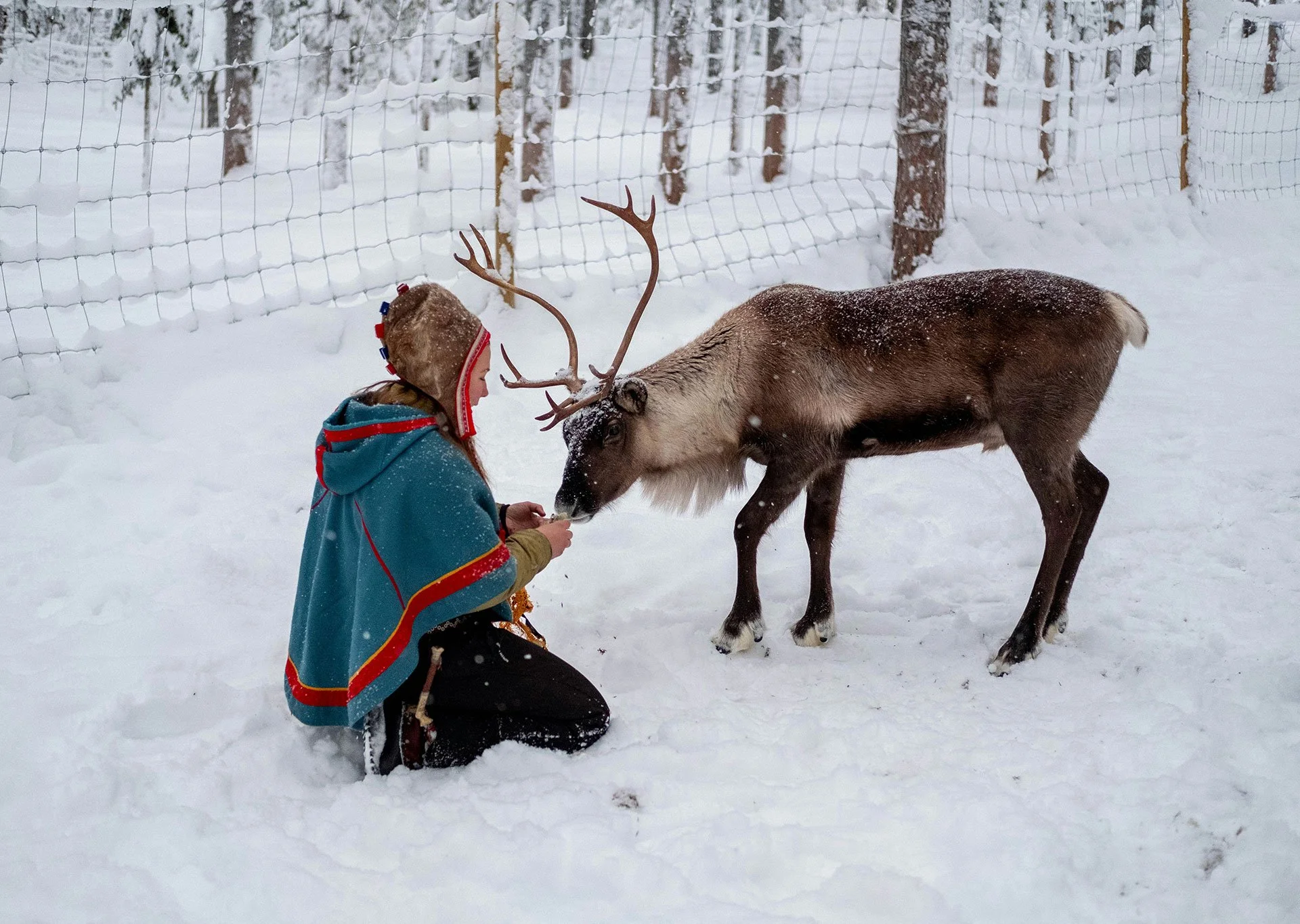
The history of Swedish Lapland is a tapestry woven from the threads of ancient traditions, cultural resilience, and modern challenges.
From the ancient Sámi culture to today, the region has undergone profound changes while retaining its unique identity. As Lapland navigates the complexities of the modern world, the balance between economic development, cultural preservation, and environmental sustainability remains a focal point of its ongoing narrative.

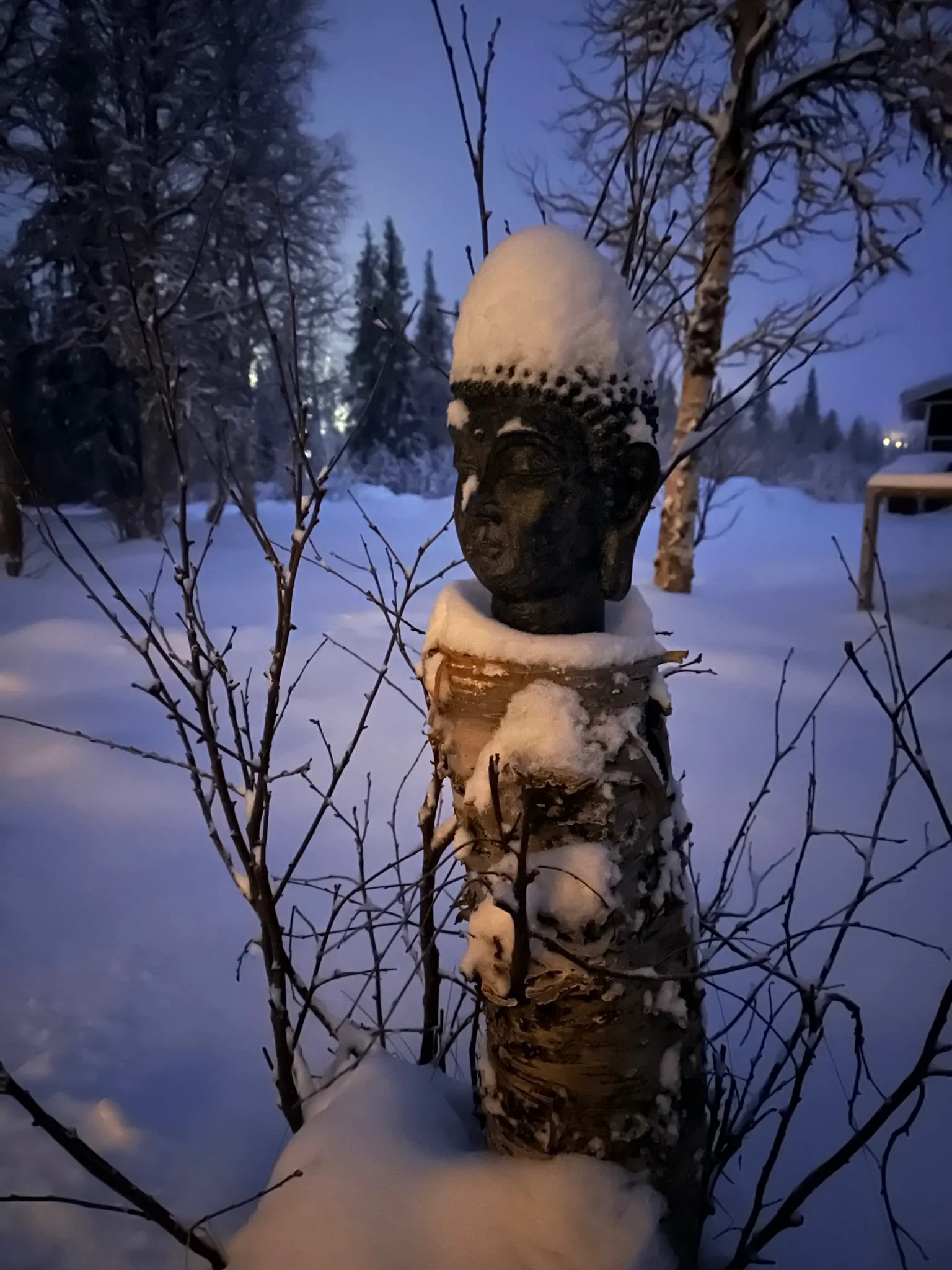

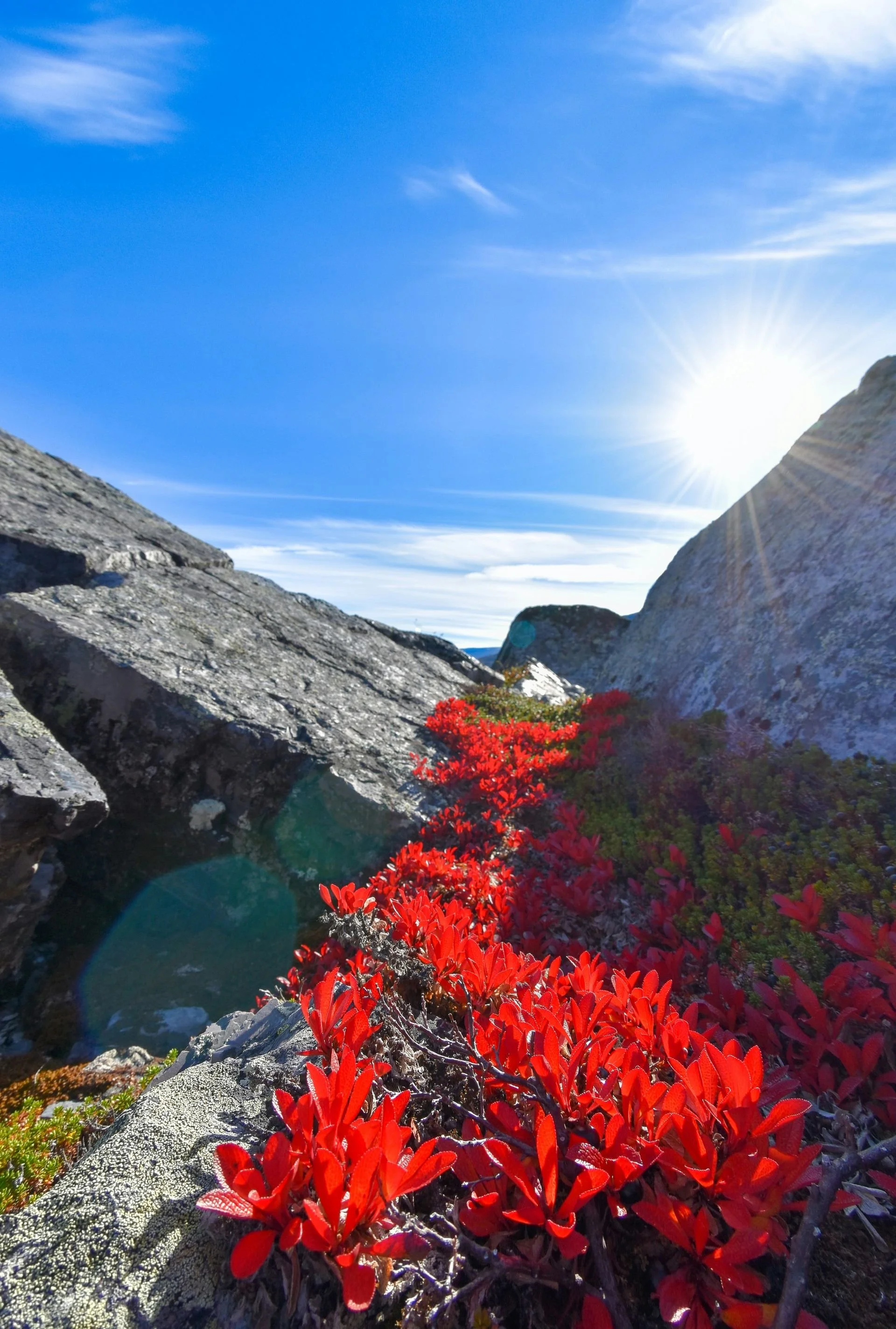

The Sámi Culture
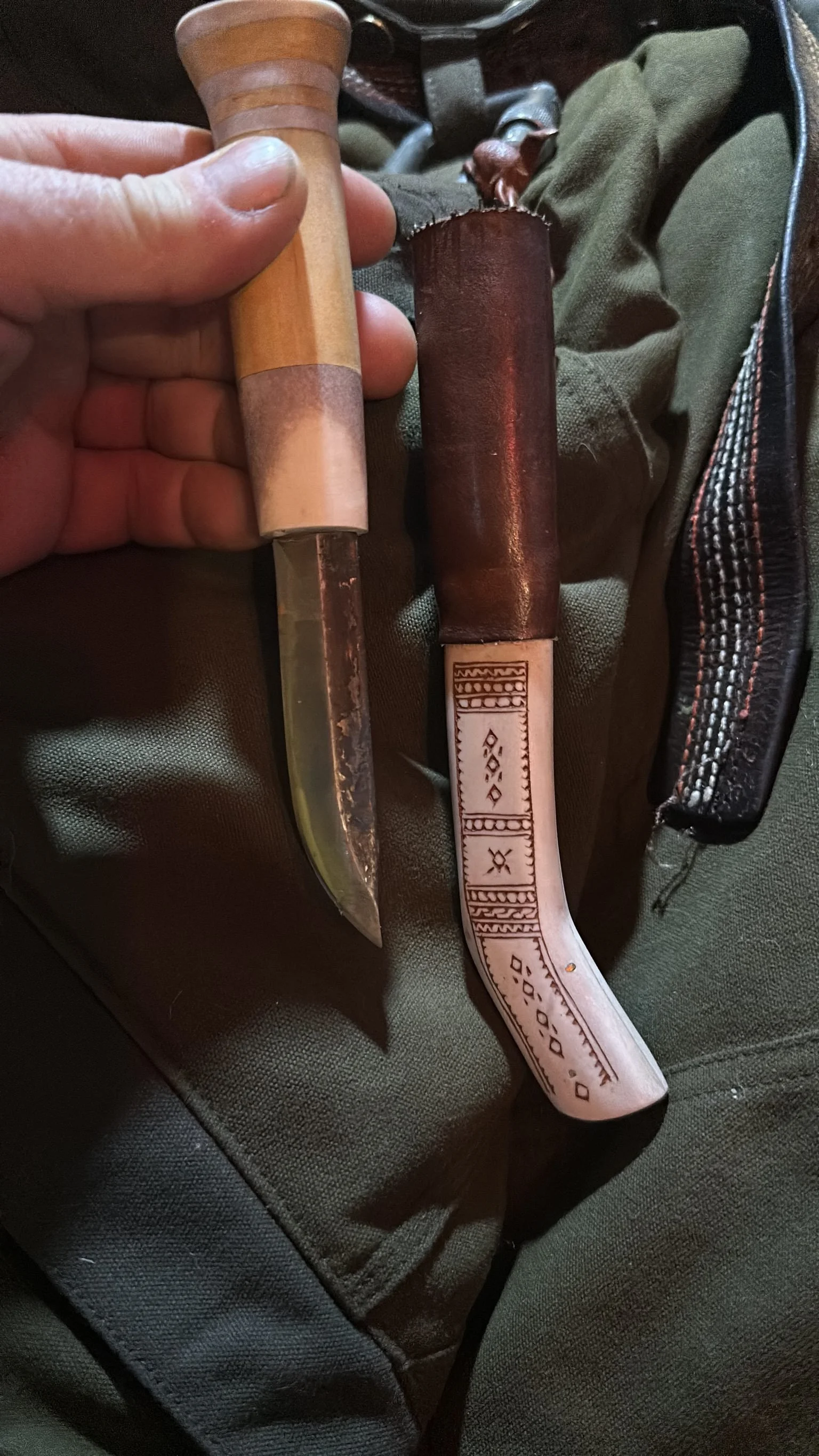
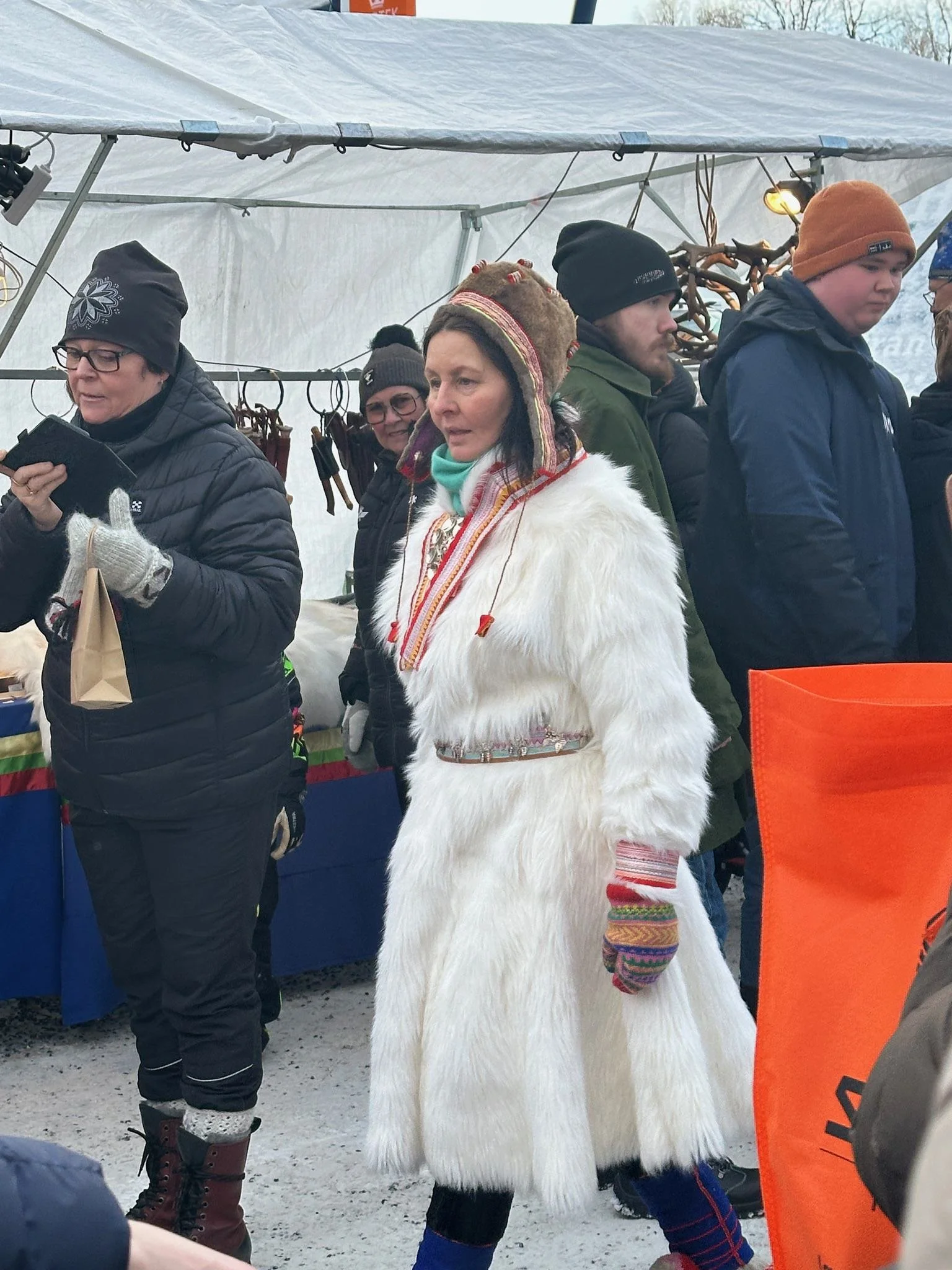
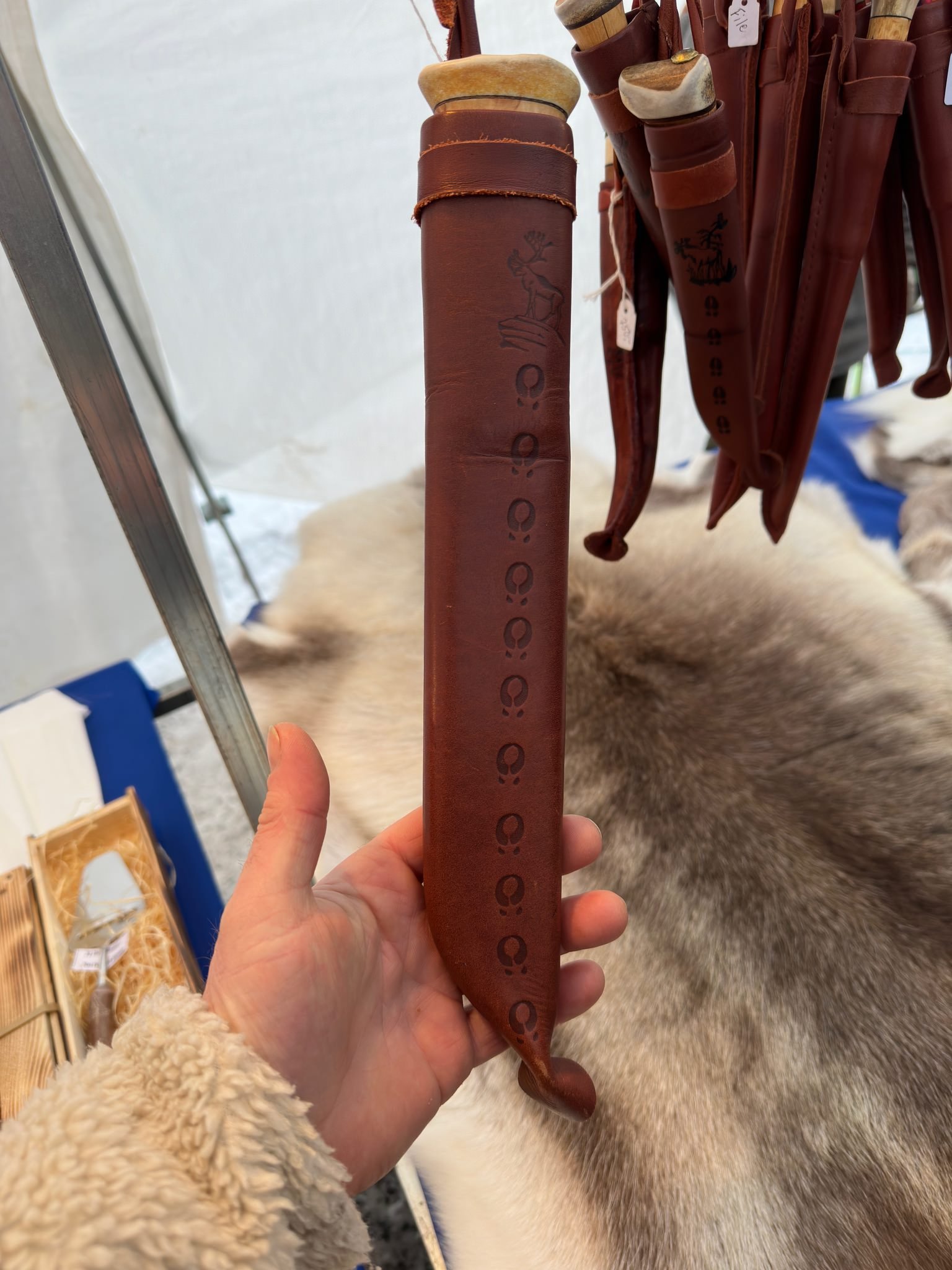
The Sámi culture is characterised by its deep connection to nature and the environment.
Traditionally, the Sámi were nomadic, moving with the seasons and following reindeer herds, which were central to their way of life. Reindeer provided food, clothing, and materials for tools and shelter. The Sámi developed a rich oral tradition, with stories and joik (traditional Sámi songs) playing a significant role in cultural expression and preservation.
Ancient History
The history of Lapland begins with the indigenous Sámi people, who have inhabited the region for thousands of years. Archaeological evidence suggests that the Sámi ancestors arrived in the area as early as 10,000 years ago, following the retreat of the last Ice Age. They were primarily hunter-gatherers, relying on the abundant natural resources of the region, including reindeer, fish, and game.
Medieval Period
During the medieval period, the northern regions of Scandinavia, including Swedish Lapland, began to attract the interest of neighbouring kingdoms. The Norse sagas from this era mention the "Finns" (a term often used to describe the Sámi), highlighting early interactions between the Sámi and the Norse people. Trade routes developed, facilitating exchanges of goods such as furs and fish for iron and textiles from the south.
Swedish Expansion
By the 14th century, Sweden began to extend its influence northward. This expansion was partly driven by economic interests, as the region was rich in natural resources, including minerals and timber—the Swedish crown aimed to exert control over these resources and the people inhabiting the area. The introduction of Christianity also played a significant role, as missionaries sought to convert the Sámi from their traditional animistic beliefs.
Colonial Policies and Cultural Impact
The 17th and 18th centuries saw increased efforts by the Swedish government to assimilate the Sámi people and exploit the region's resources. Policies were implemented to Christianize and educate the Sámi, often undermining their traditional practices. Settlers from southern Sweden moved into the region, further altering the demographic and cultural landscape.
Economic Development
The discovery of significant mineral deposits in the 19th century, particularly iron ore in Kiruna and Gällivare, led to an economic boom. This development attracted workers from various parts of Sweden and beyond, leading to the rapid growth of towns and infrastructure. The construction of the Malmbanan railway, which connected the mining areas to the port of Narvik in Norway, was crucial for transporting ore and bolstering economic activity.
20th Century and Industrialization
Throughout the 20th century, Swedish Lapland continued to industrialise, with mining remaining a central industry. However, this growth came at a cost. The traditional Sámi lifestyle was increasingly threatened by land encroachments and environmental changes caused by industrial activities. The Swedish government's policies often favoured economic development over the preservation of Sámi culture and rights.
Environmental and Cultural Challenges
In the latter half of the 20th century, environmental concerns began to gain prominence. The impacts of mining, logging, and hydroelectric projects on the delicate Arctic ecosystem became evident. Additionally, the cultural revival of the Sámi gained momentum as they sought to reclaim their rights and preserve their heritage. This period saw the establishment of Sámi cultural institutions and increased political activism.
Modern Era
In recent decades, Sweden has been growing in recognition of Sámi rights and culture. Establishing the Sámi Parliament in 1993 marked a significant step toward greater autonomy and representation. This body addresses issues related to Sámi culture, language, and land rights, reflecting a broader movement towards reconciliation and recognition of indigenous peoples.

Tourism and Sustainable Development
Today, tourism plays an important role in the economy of Swedish Lapland.
The region's natural beauty, characterized by vast forests, pristine lakes, and the stunning Northern Lights, attracts visitors from around the world. Efforts are being made to promote sustainable tourism that respects the environment and the cultural heritage of the Sámi.

Climate Change and Future Challenges
Swedish Lapland faces significant challenges due to climate change.
The Arctic region is warming at a faster rate than the global average, leading to melting ice, changing ecosystems, and impacts on traditional Sámi livelihoods, particularly reindeer herding. Addressing these challenges requires collaboration between local communities, the Swedish government, and international partners.
-
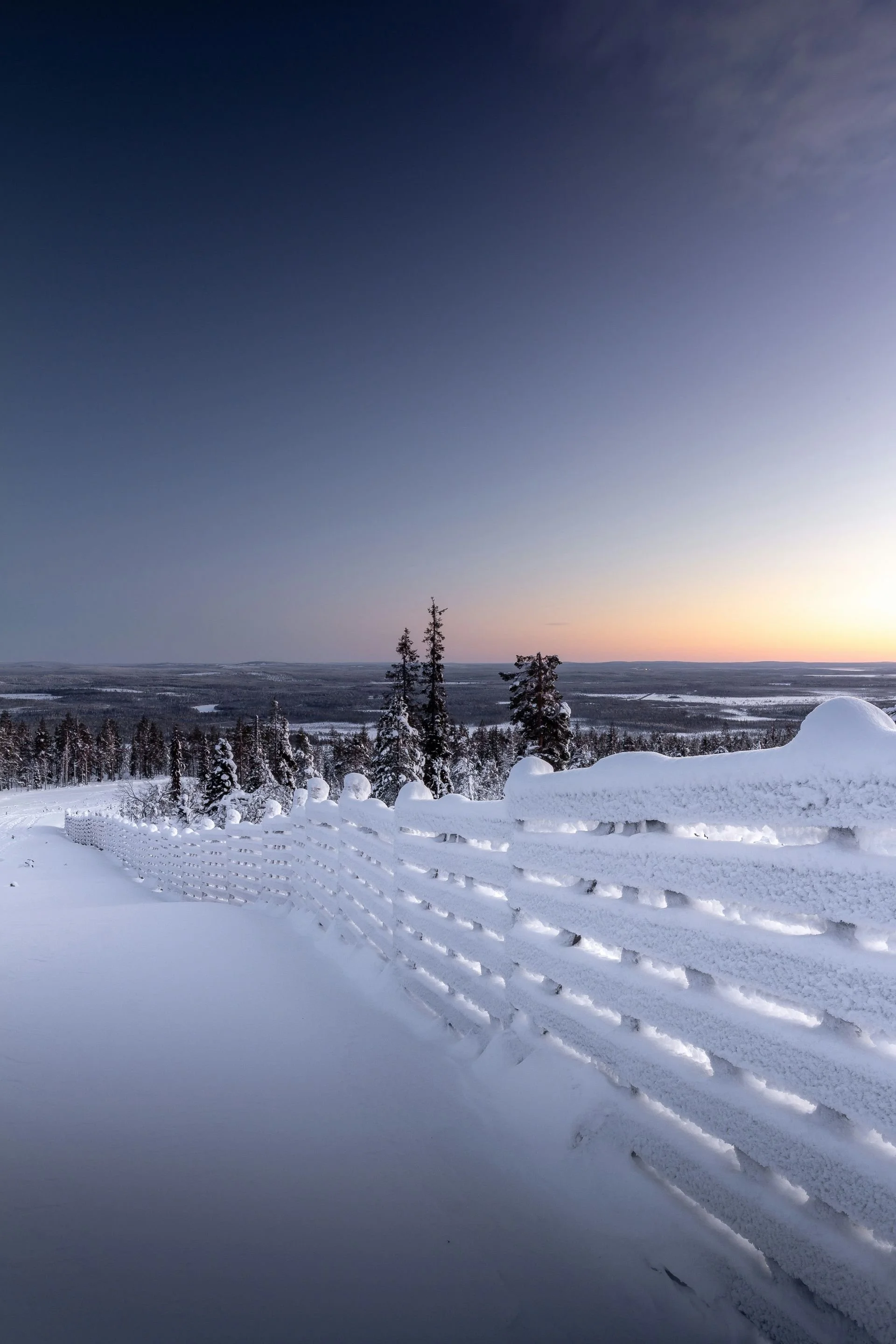
Temperature & Climate
-

Wildlife
-

Flora, Fungi & Mushrooms