
Wildlife in Norrbotten & Kiruna
Wildlife in Norrbotten & Kiruna
Wildlife in Norrbotten & Kiruna
Norrbotten and Kiruna regions offer a unique and rich tapestry of wildlife, each species playing its part in the delicate balance of nature.
From the majestic brown bears to the elusive arctic foxes and the diverse birdlife, the area is a haven for nature lovers and wildlife enthusiasts alike. The resilience and adaptability of these species in the face of harsh Arctic conditions are a testament to the wonders of nature, making this region an invaluable part of Sweden's natural heritage.
Exploring the wildlife in Norrbotten and Kiruna offers a fascinating glimpse into the natural world of northern Sweden.
This region has diverse landscapes, ranging from dense forests to rugged mountains and expansive tundras. Such variety provides habitats for an impressive array of wildlife adapted to the harsh Arctic conditions. Below, we delve into the species found here, discussing their characteristics and the environments they inhabit.
Mammals
Brown Bears
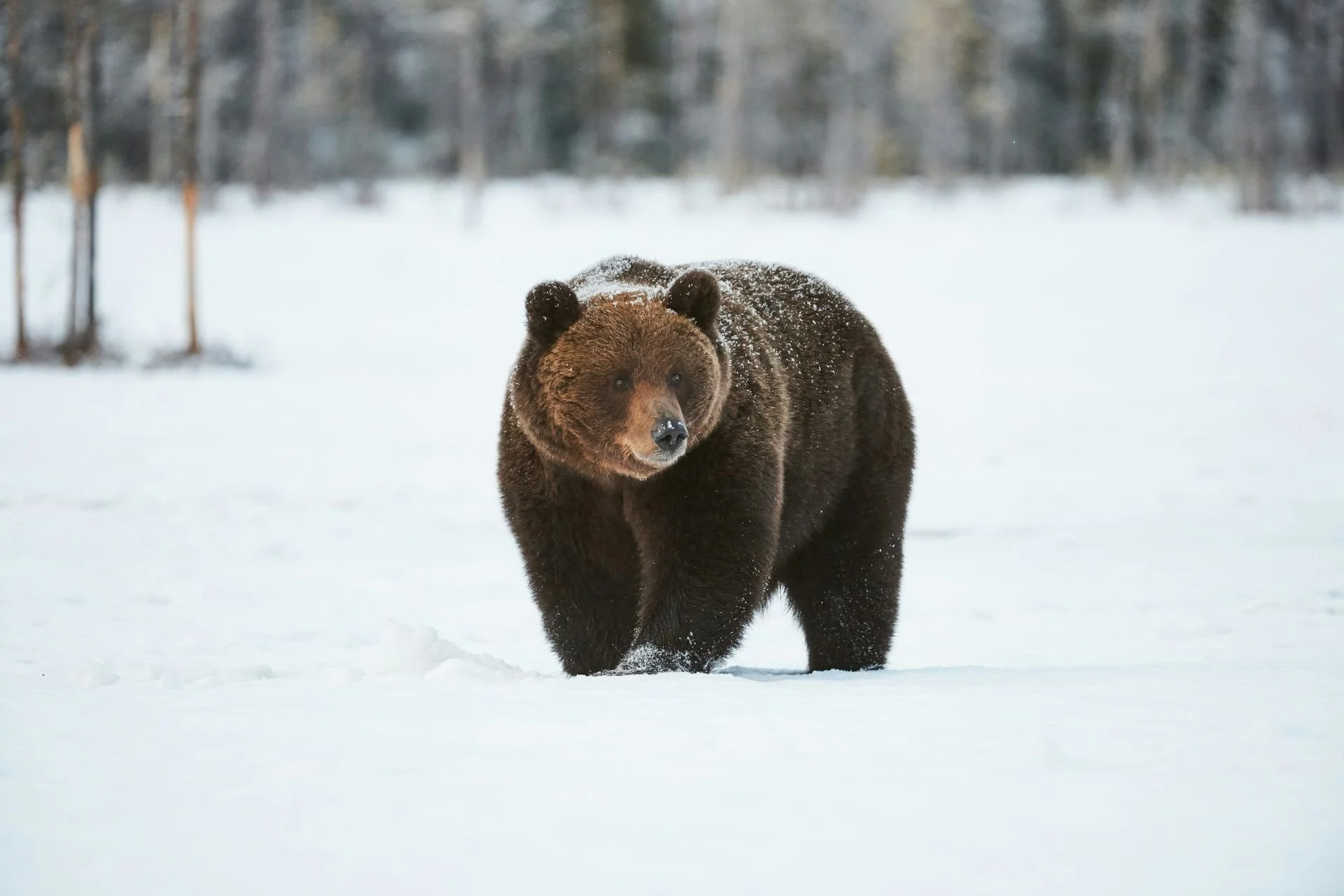
Brown bears are iconic residents of Norrbotten. These powerful animals, known for their size and strength, typically dwell in forested areas. Brown bears are omnivorous, feeding on berries, roots, insects, and occasionally small mammals. They are generally shy and avoid human contact, preferring the solitude of the wilderness. During winter, they hibernate in dens, making sightings more likely in the warmer months.
Moose
Moose, or Eurasian elk, are among the largest land mammals in Europe and are common in the forests of Norrbotten. These solitary animals are recognisable by their long legs and distinctive antlers found on males. Moose feed primarily on shrubs, aquatic plants, and young trees. They are well-adapted to the cold, with a thick coat that insulates them against the harsh climate.
Reindeer
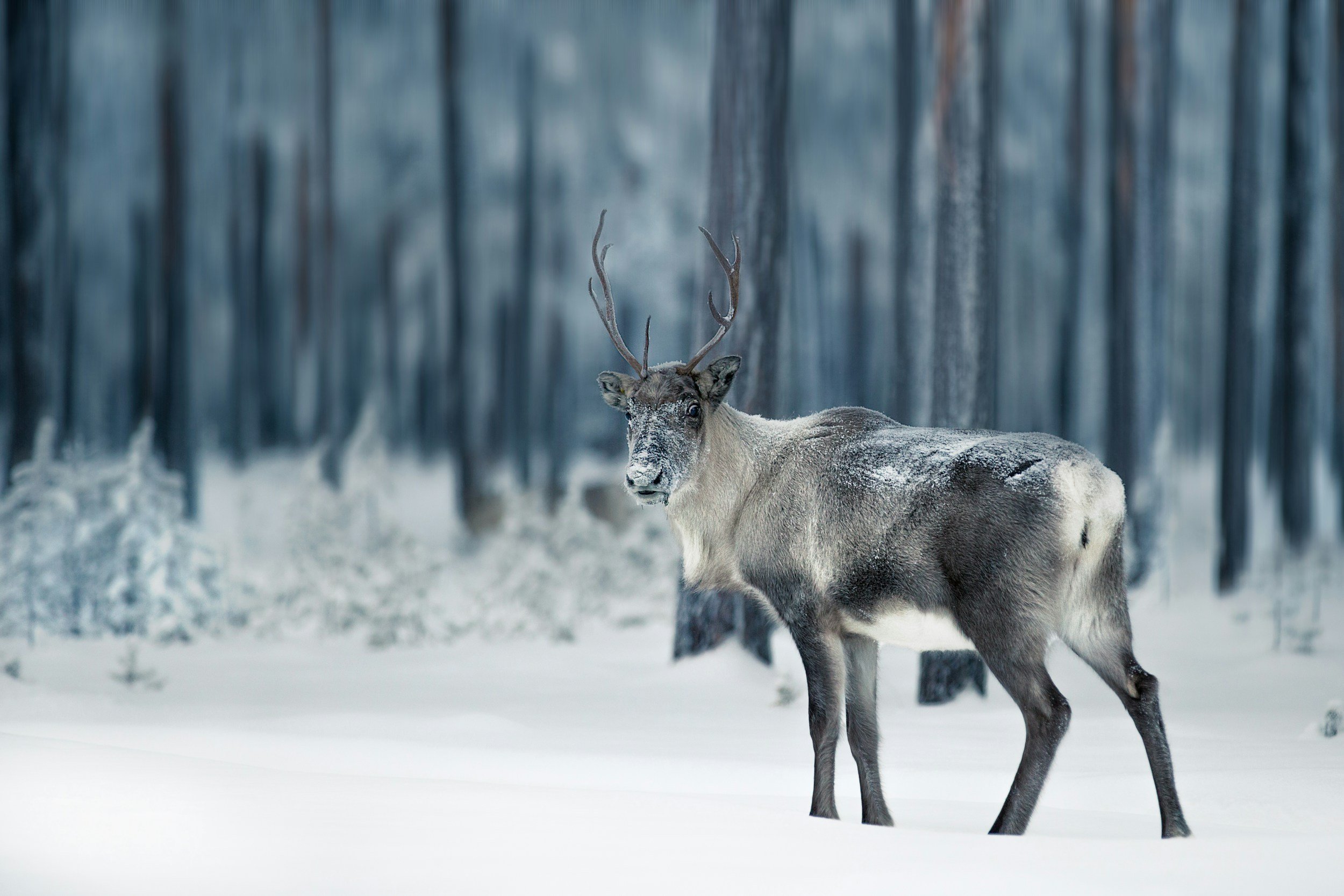
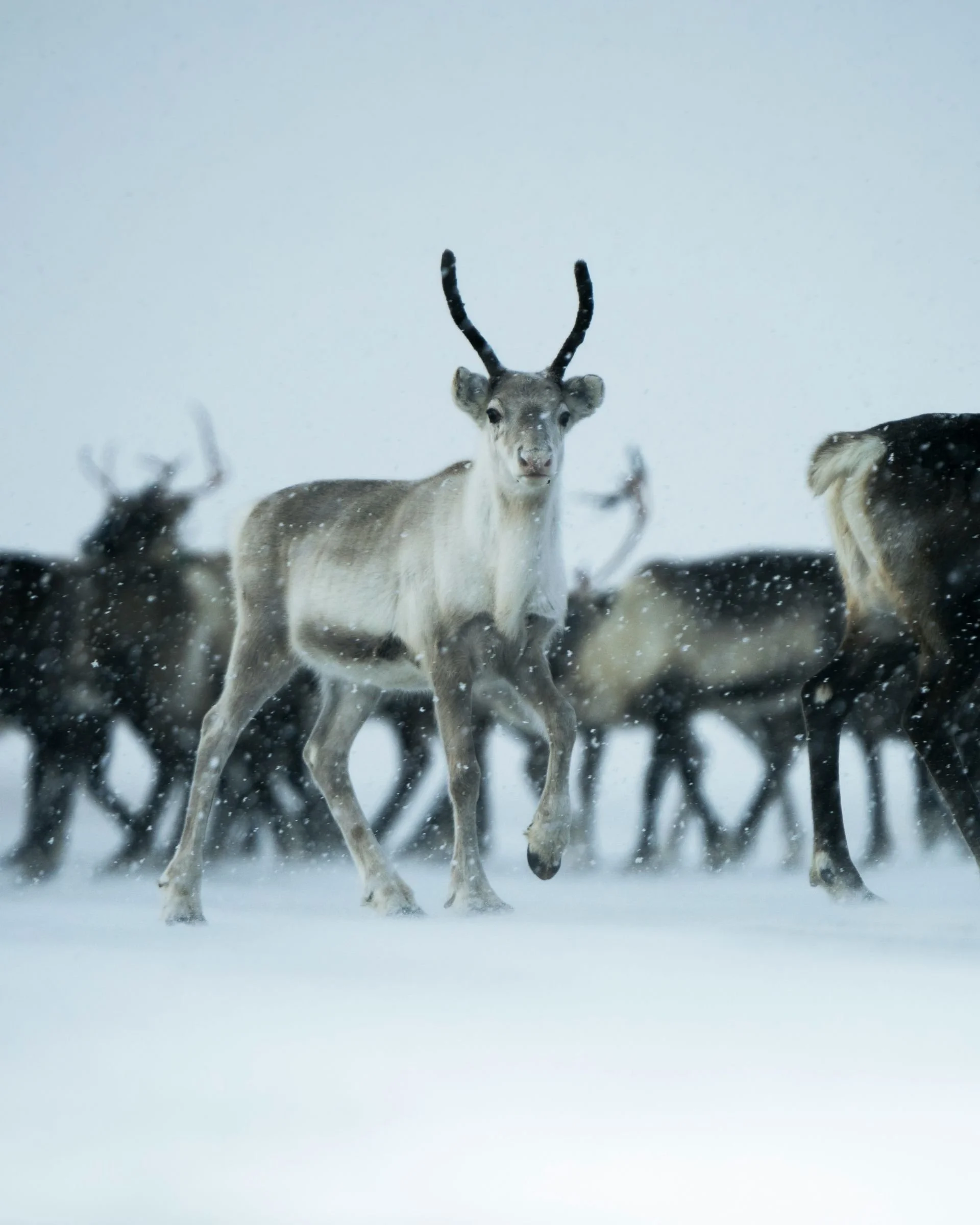
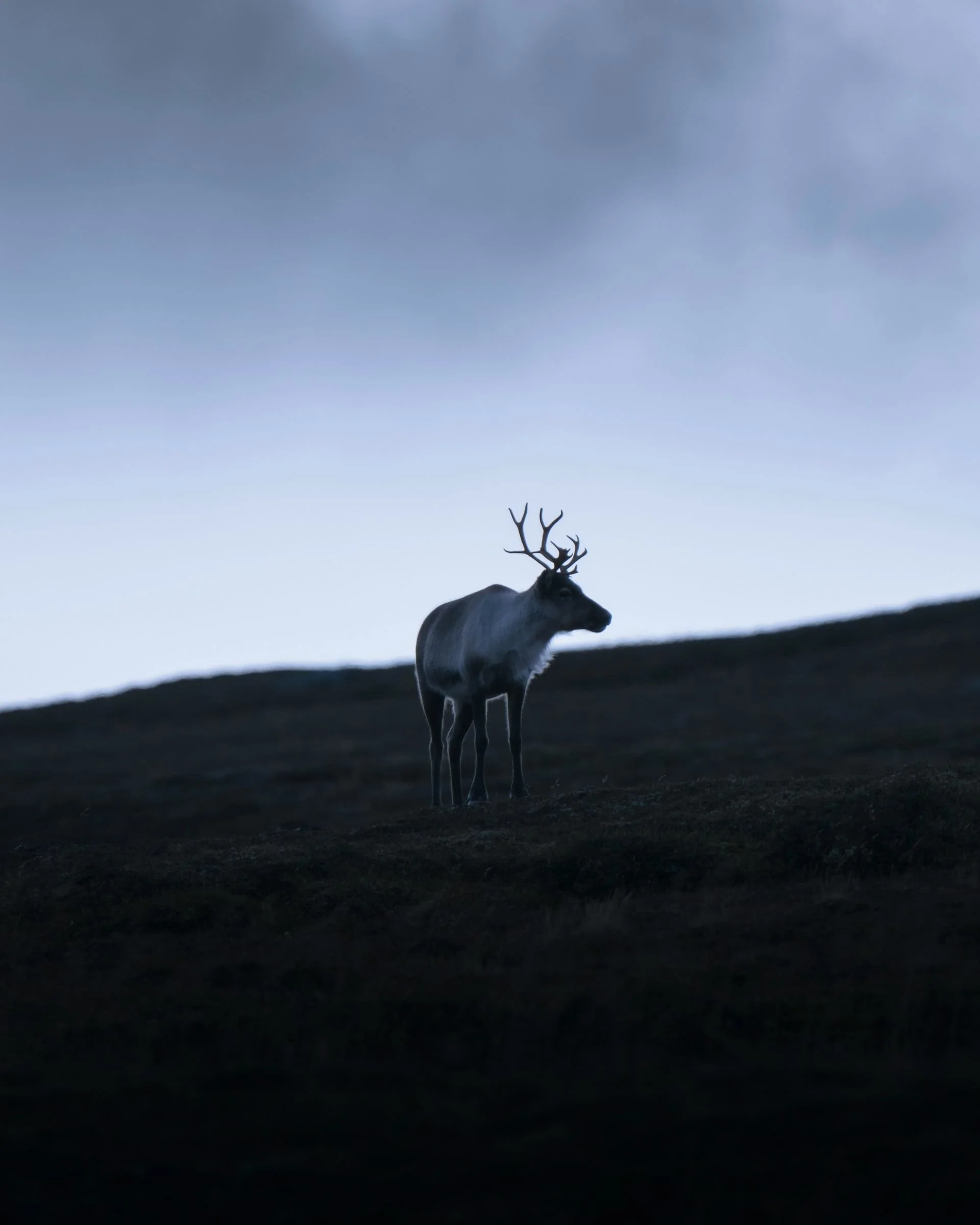
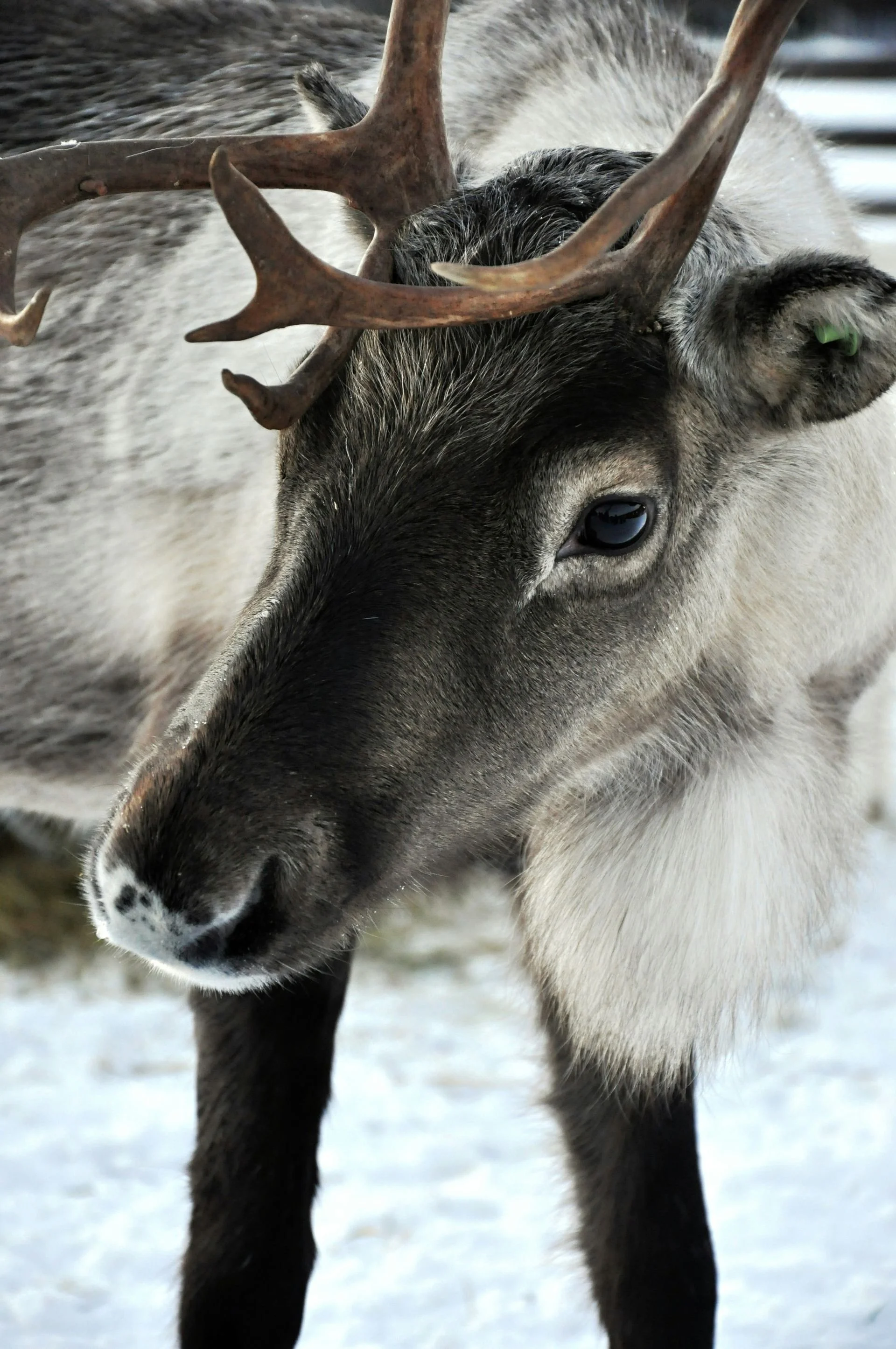
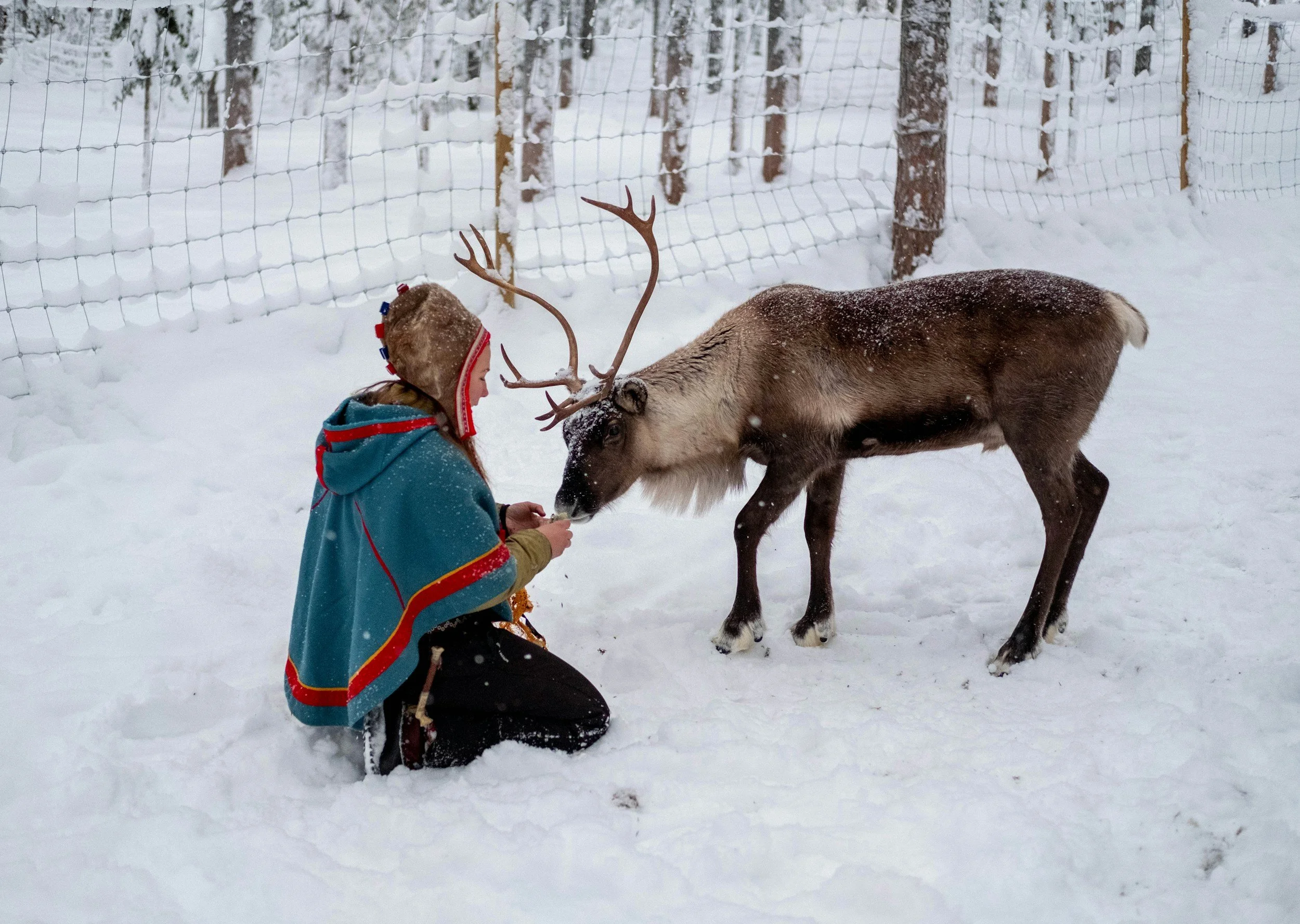
Reindeer, also known as caribou in North America, is synonymous with the Arctic regions. In Norrbotten, they are often semi-domesticated and herded by the indigenous Sámi people. Reindeer are well-adapted to cold environments, with specialised hooves that help them dig through snow to find lichen and other vegetation. Their migration patterns and behaviours are central to the cultural and economic life of the Sámi.
Arctic Foxes
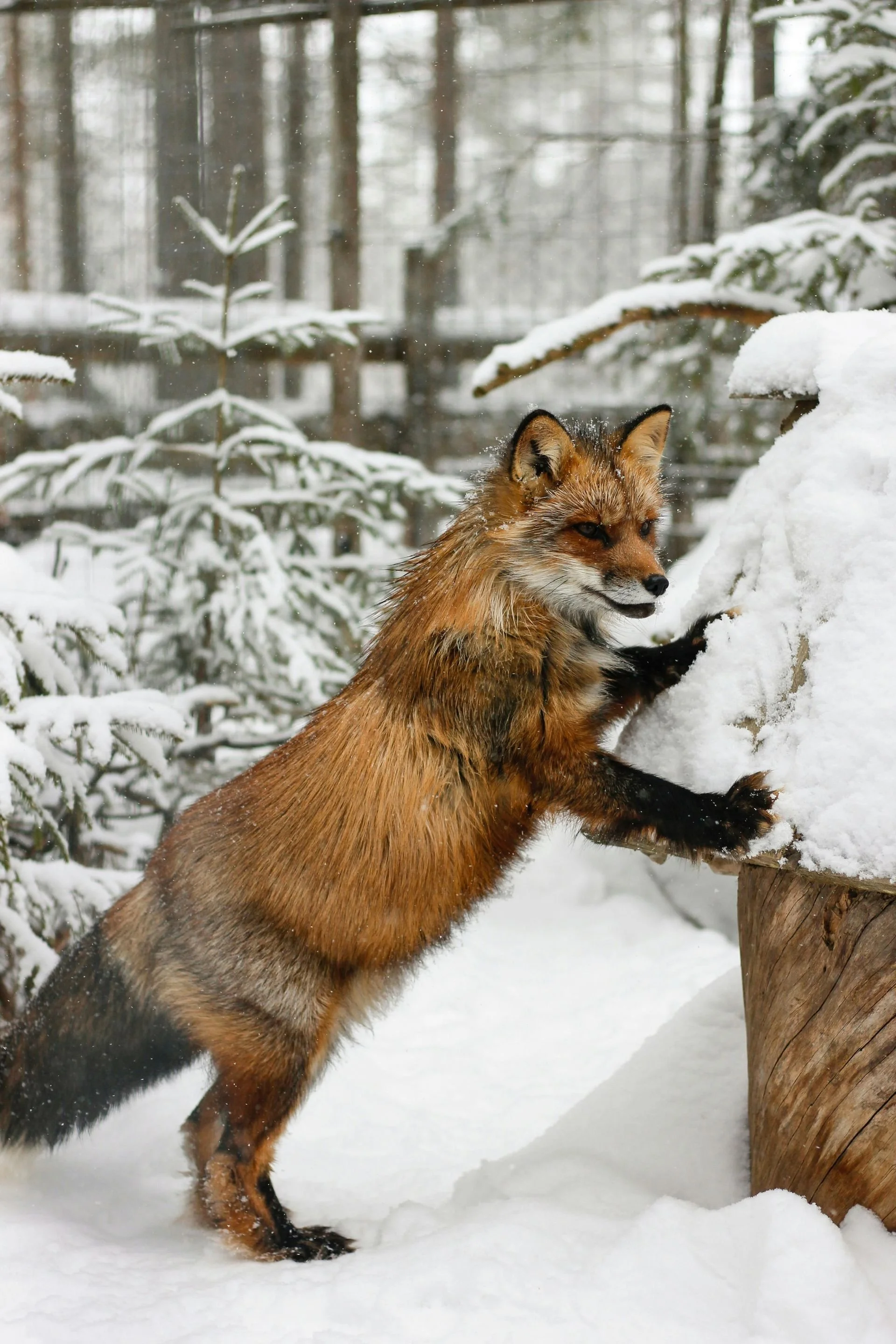
With its thick, white winter coat, the arctic fox is a master of adaptation to extreme cold. In summer, their fur changes to a brown or grey colour, providing camouflage in the tundra landscape. Arctic foxes are opportunistic feeders, consuming everything from small mammals to birds, eggs, and carrion. They are known for their resilience and ability to survive in some of the most inhospitable environments on Earth.
Wolverines and Lynxes
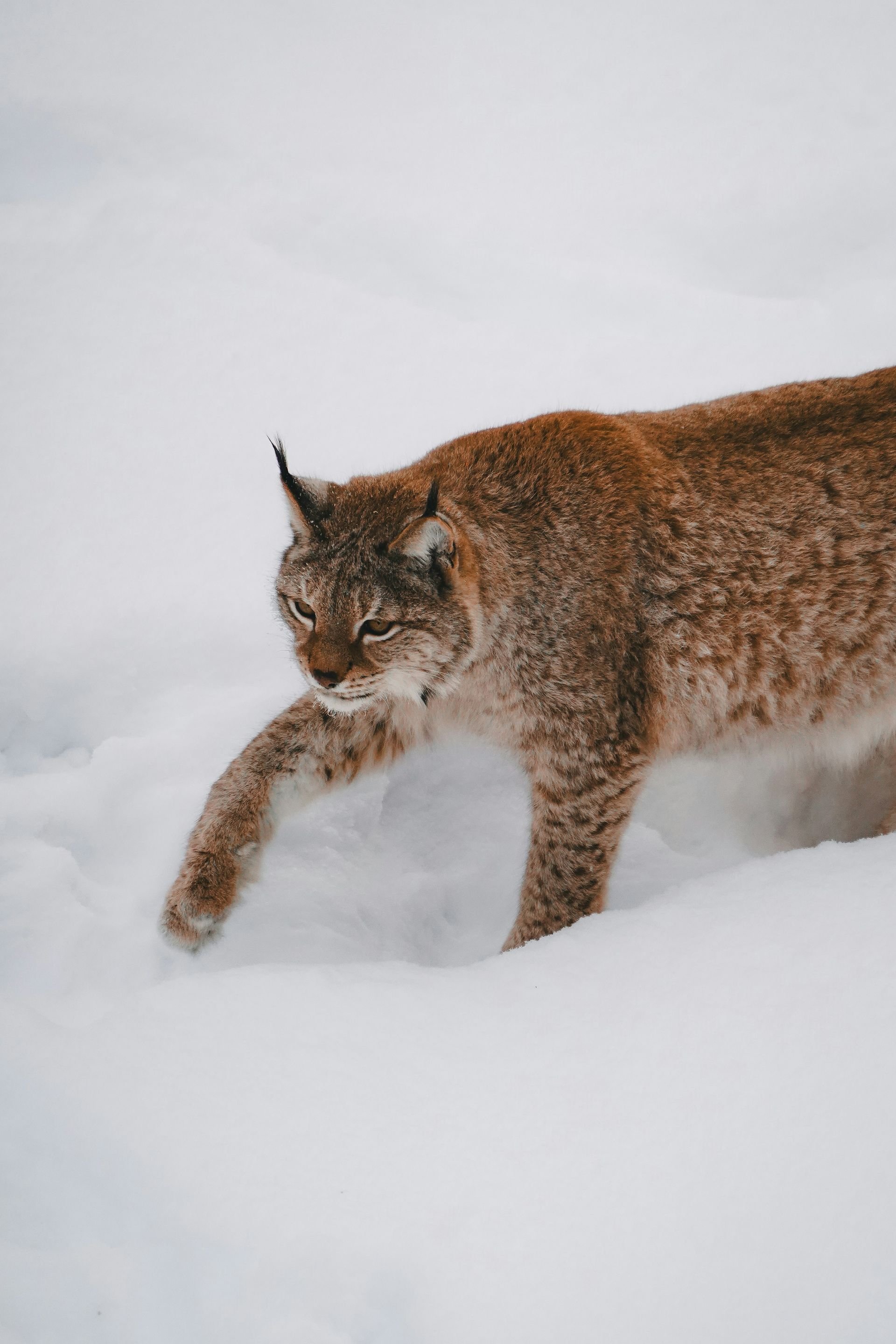
Wolverines and lynxes are more elusive residents of the Norrbotten forests. Wolverines, stocky and strong, are known for their ferocity and scavenging habits. They feed on carrion and small mammals, often covering vast distances in search of food. Lynxes, on the other hand, are solitary hunters, preying on birds and small mammals. Their tufted ears and spotted fur make them unique among the region's wildlife.
Birds
Siberian Jay
The Siberian jay is a common sight in the boreal forests of Norrbotten. Known for their intelligence and curiosity, these birds often appear in mixed-species flocks during winter. They feed on insects, berries, and small invertebrates and are known to cache food for the harsher months.
Capercaillie
The capercaillie, a large forest grouse, is notable for its dramatic mating displays. Males perform elaborate courtship rituals to attract females, making them a striking sight in the spring. They feed primarily on berries, buds, and pine needles and are well-adapted to life in dense forest environments.
Golden Eagle
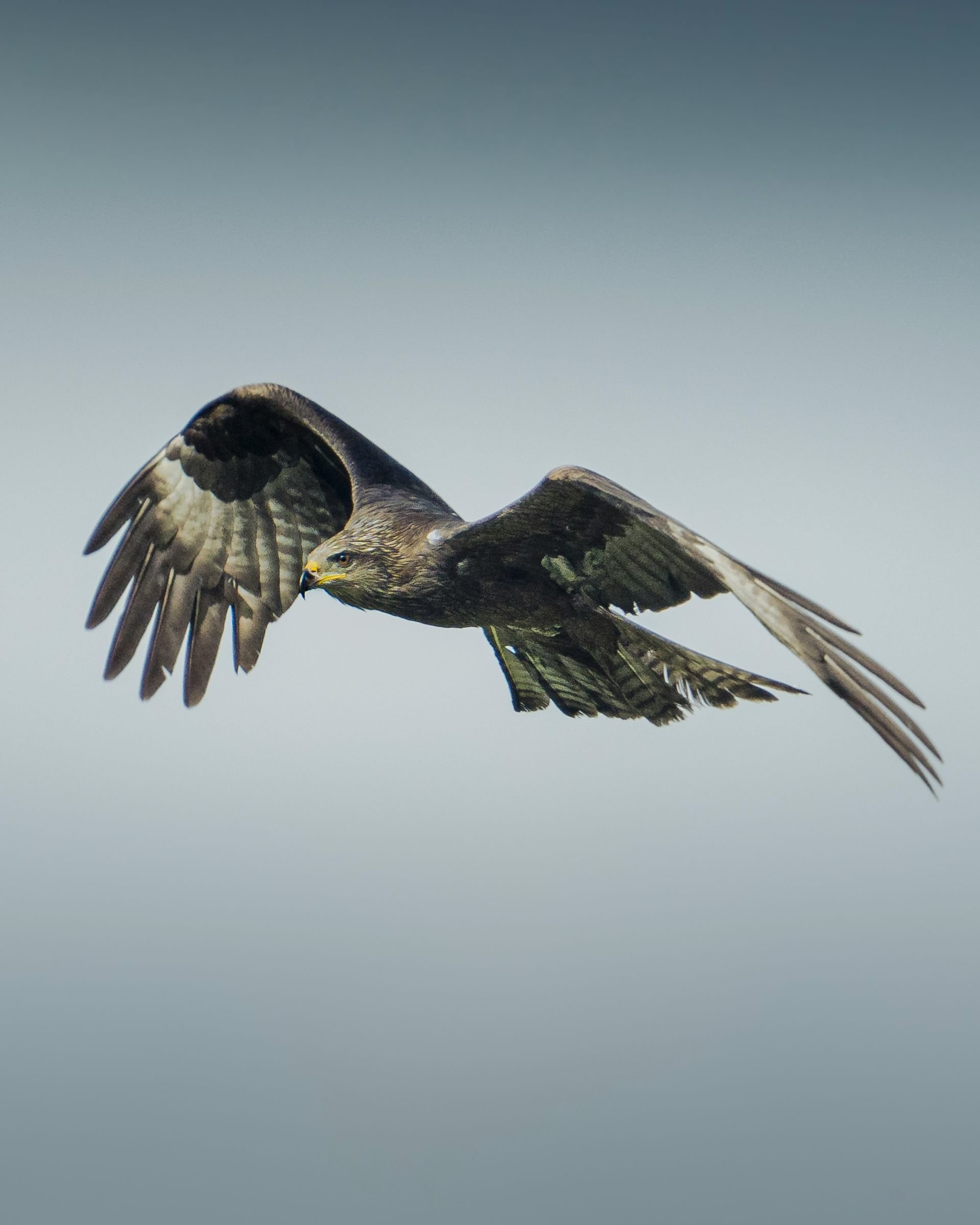
The majestic golden eagle can be spotted soaring high above the mountainous regions of Norrbotten. These powerful birds of prey hunt for mammals and birds, and their keen eyesight allows them to spot potential prey from great distances. Golden eagles are a symbol of wilderness and freedom, embodying the spirit of the region.
Migratory Birds
During the summer, the wetlands and waterways of Norrbotten become vital stopovers for migratory birds such as swans and geese. These birds travel long distances to breed in the Arctic, taking advantage of the abundance of food and long daylight hours. Their presence adds a dynamic element to the region's ecology.
Marine Life
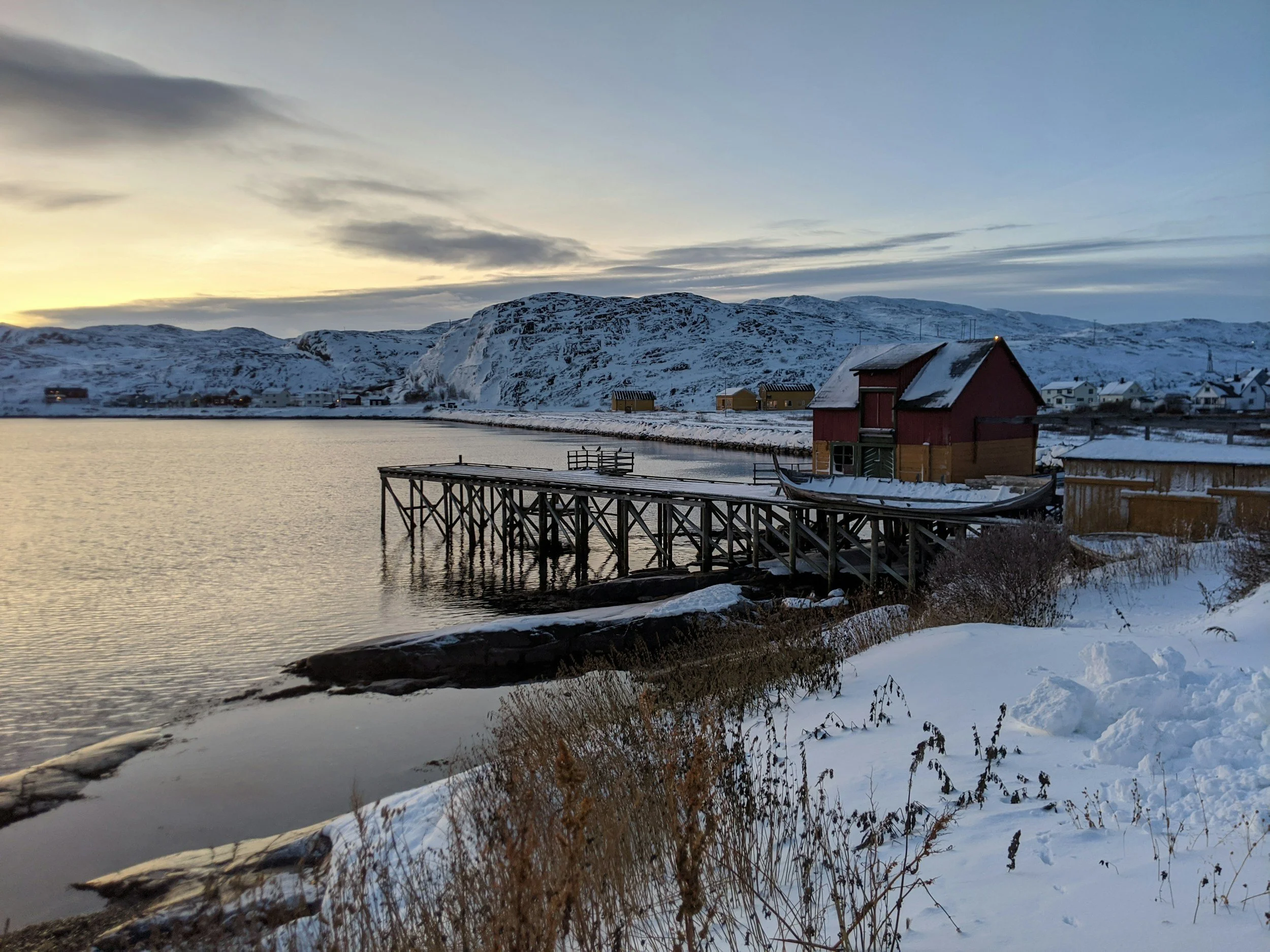
Along the coastlines of Norrbotten, marine life thrives in the cold, nutrient-rich waters.
Various fish species, including salmon and herring, are common and play crucial roles in the local ecosystems. Seals are also a common sight, often seen basking on rocks or swimming in the coastal waters. These marine mammals rely on the plentiful fish populations and are adept at navigating the icy seas.
Flora
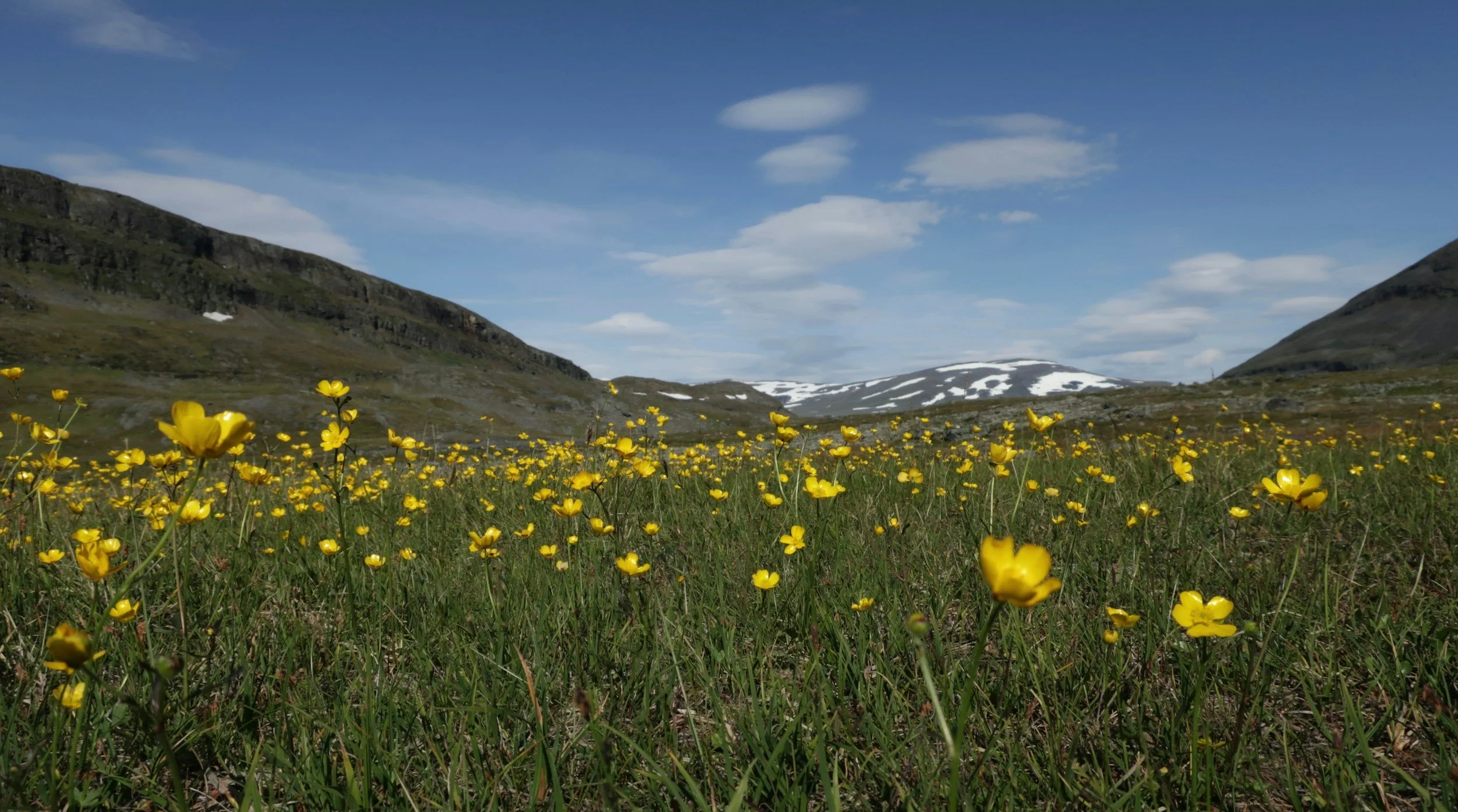
The flora of Norrbotten complements its diverse fauna. Boreal forests, dominated by spruce, pine, and birch trees, cover much of the landscape.
These forests provide critical habitat for many wildlife species and offer food and shelter. In higher altitudes, alpine and subarctic vegetation thrive, with hardy plants like lichens, mosses, and low shrubs that can withstand harsh conditions.
Ecological Importance
The wildlife in Norrbotten and Kiruna plays vital roles in maintaining the region's ecological balance.
Each species, from the largest mammals to the smallest birds, contributes to the health of the ecosystems. Predators like the lynx and golden eagle help regulate prey populations, while herbivores like moose and reindeer influence vegetation dynamics. This intricate web of interactions underscores the importance of conserving these natural habitats.
Conservation Efforts
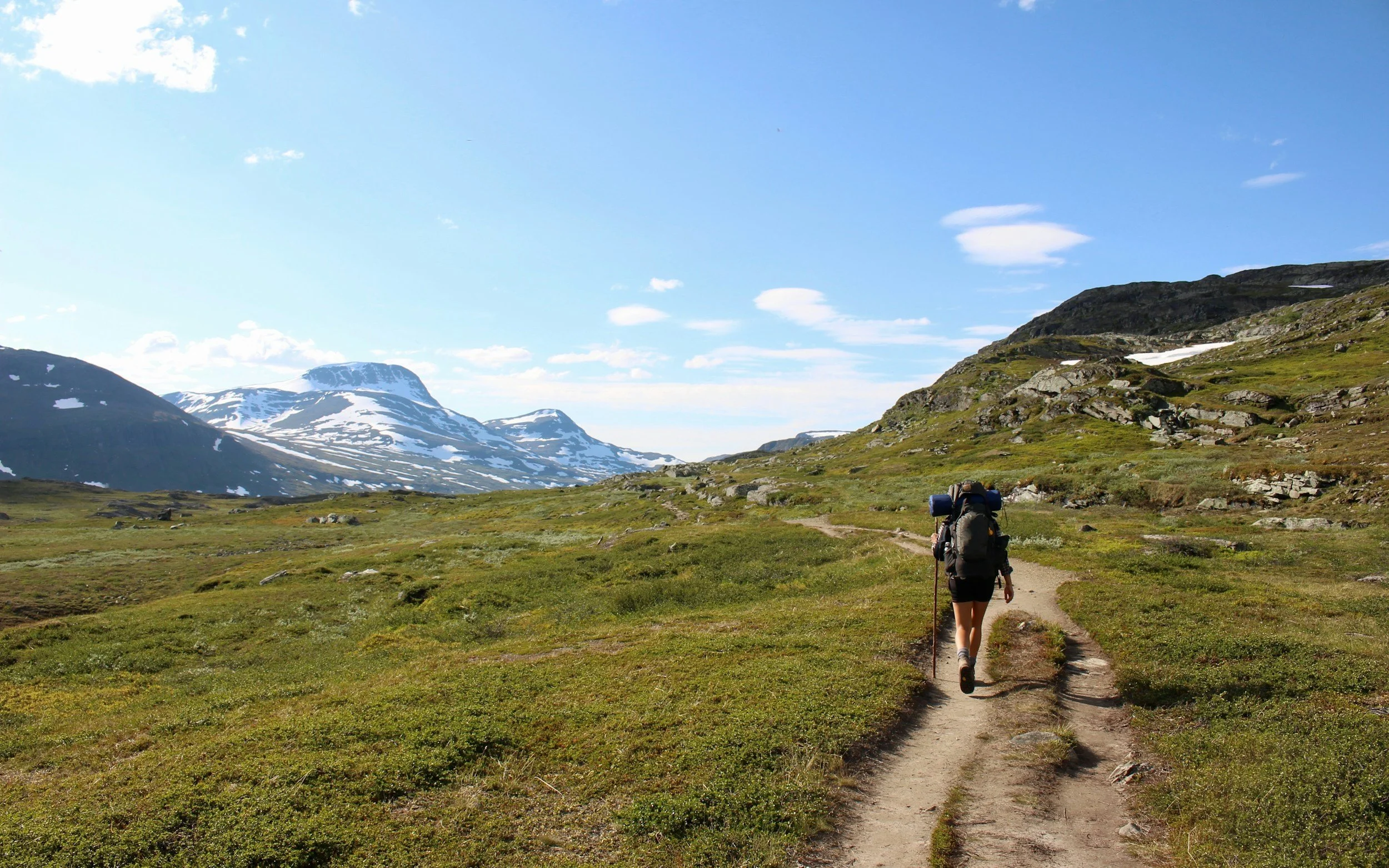
Conservation efforts in Norrbotten focus on preserving the region's natural habitats and biodiversity.
Initiatives include protecting large areas of wilderness, managing sustainable hunting practices, and supporting the traditional lifestyles of the Sámi people. These efforts balance human activities with maintaining healthy ecosystems for future generations.
-
Temperature & Climate
-
The Sámi Culture
-
Flora, Fungi & Mushrooms