

Temperature & Climate
Temperature & Climate
Temperature & Climate at Kiruna
Detailed look at the winter weather in Kiruna
📍Kiruna | Latitude 67.85572, longitude 20.22513 Geohash ukn6h0z2pxjb
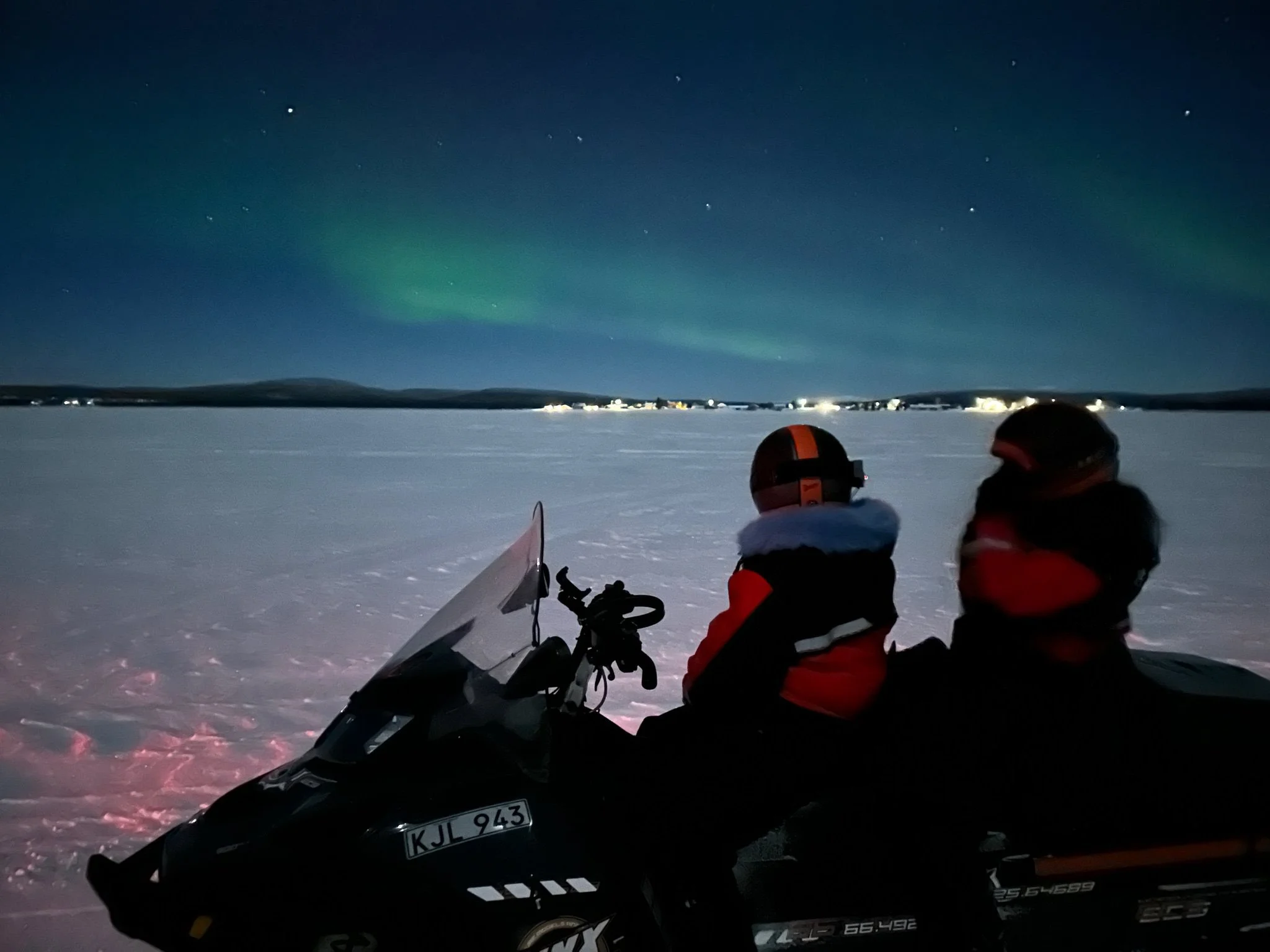
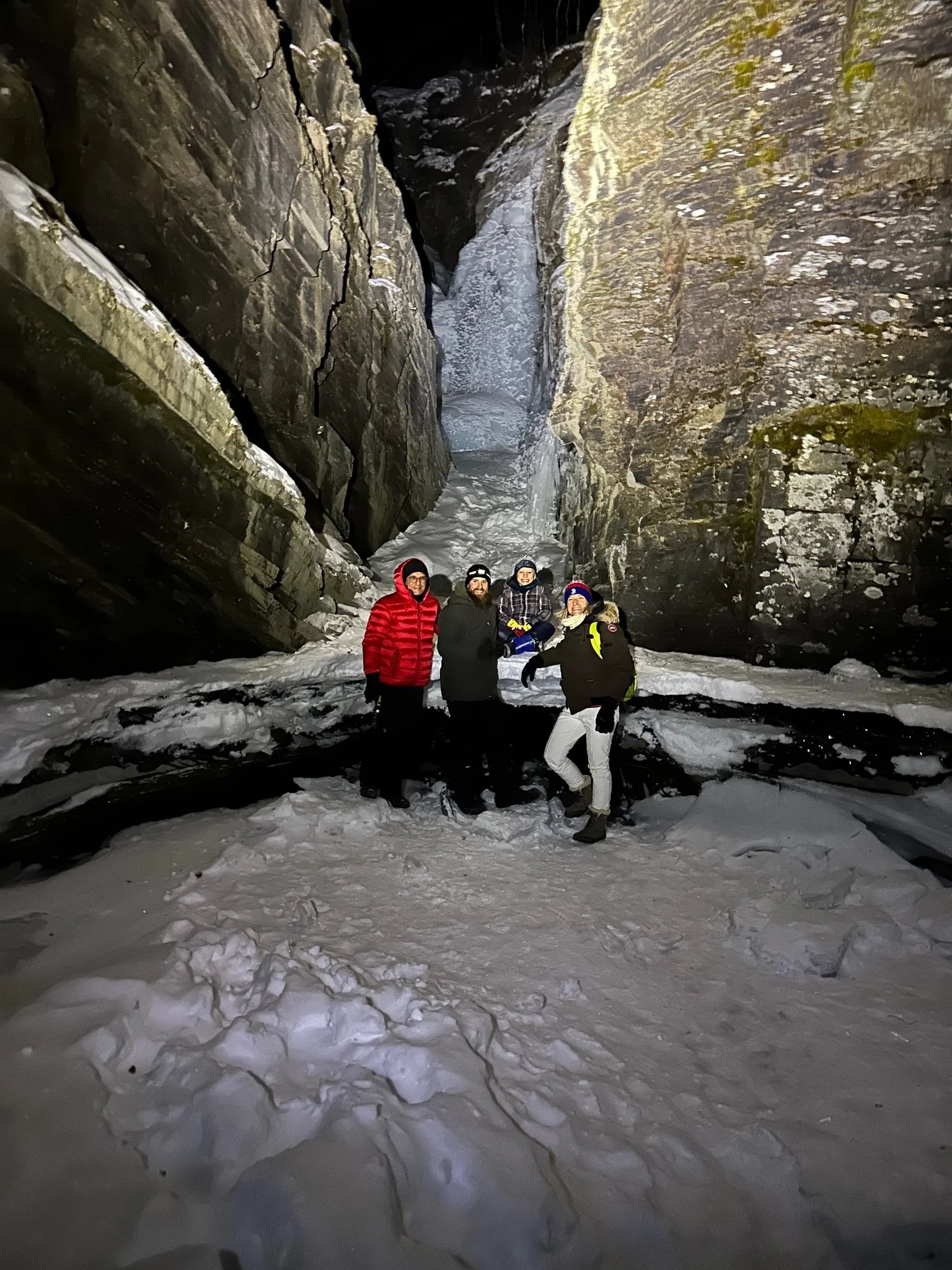
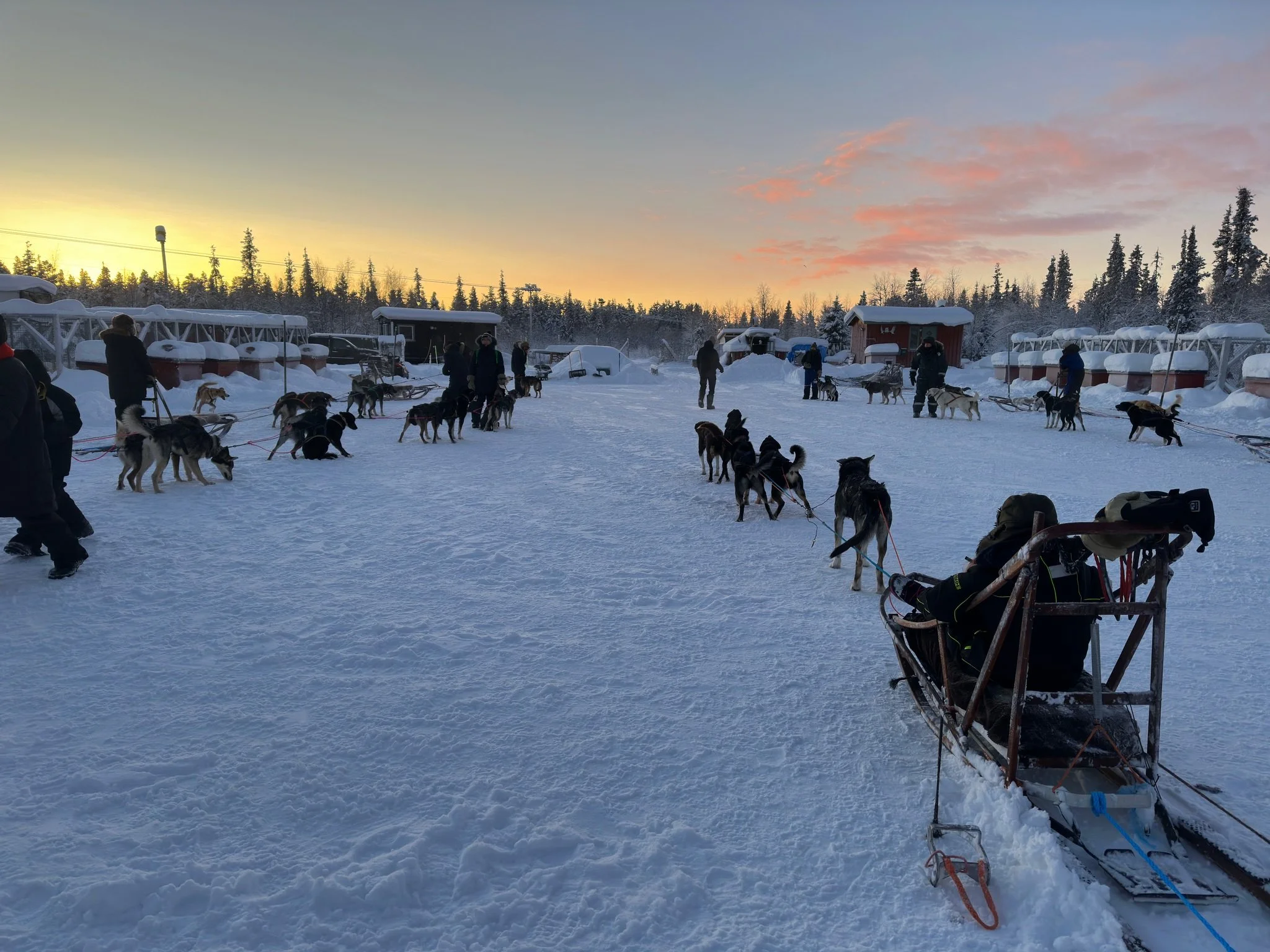
Kiruna, located in the Arctic Circle, experiences a distinctive winter climate characterized by long, cold months, breathtaking natural phenomena, and unique challenges.
From the mesmerising polar night and Northern Lights to the deep snow and frigid temperatures, the region offers an unparalleled winter experience. The resilience and adaptability of the people living in Kiruna are a testament to the human spirit's capacity to thrive in even the harshest environments.
Temperature and Climate
Winter in Kiruna typically lasts from late October to early May, with temperatures often plummeting well below freezing.
Average temperatures in the coldest months, January and February, range from -20°C to -10°C (-4°F to 14°F). However, it's not uncommon for temperatures to drop to -30°C (-22°F) or lower during cold spells. The climate is classified as subarctic, featuring long, harsh winters and short, mild summers.
Polar Night
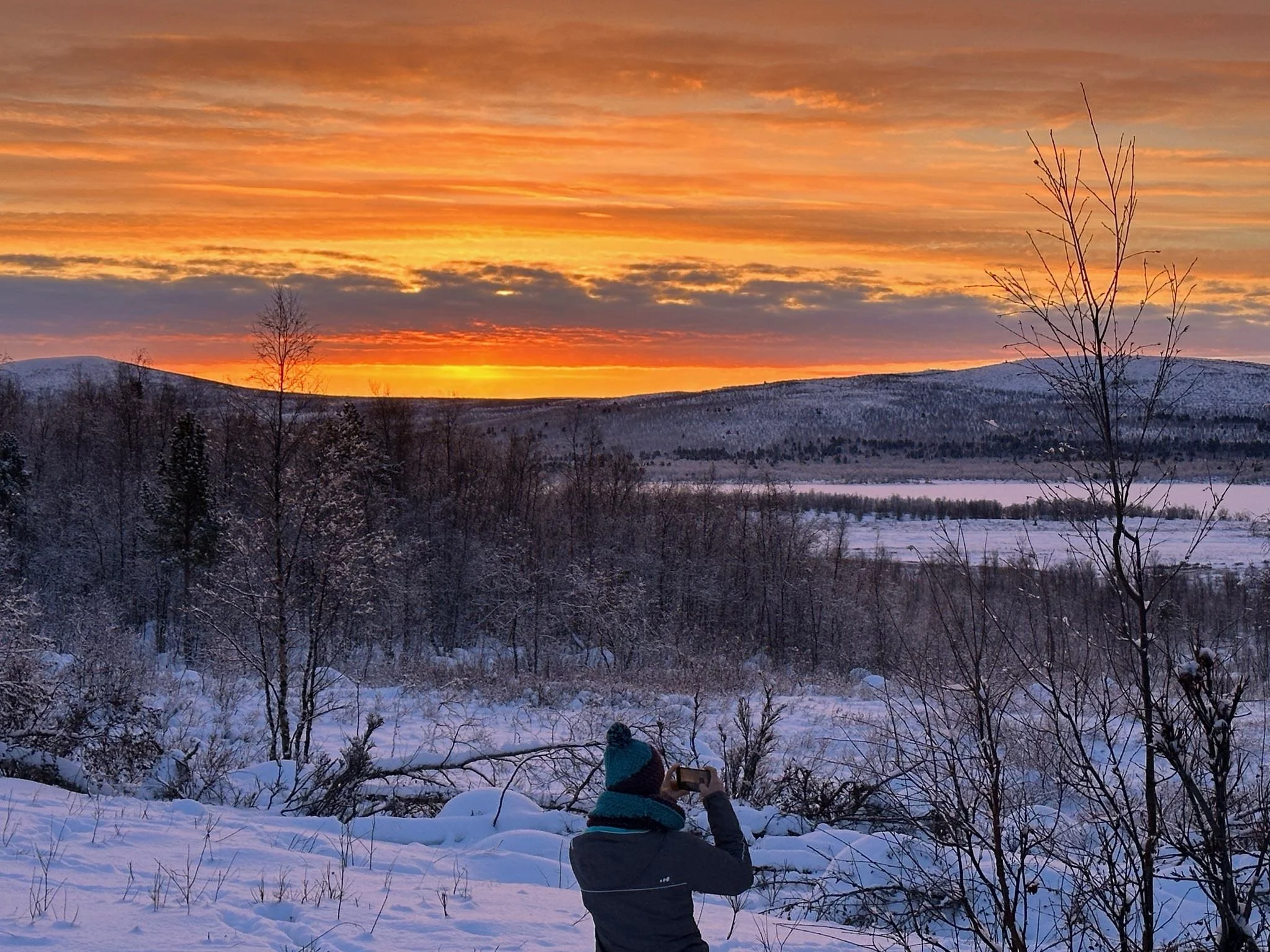
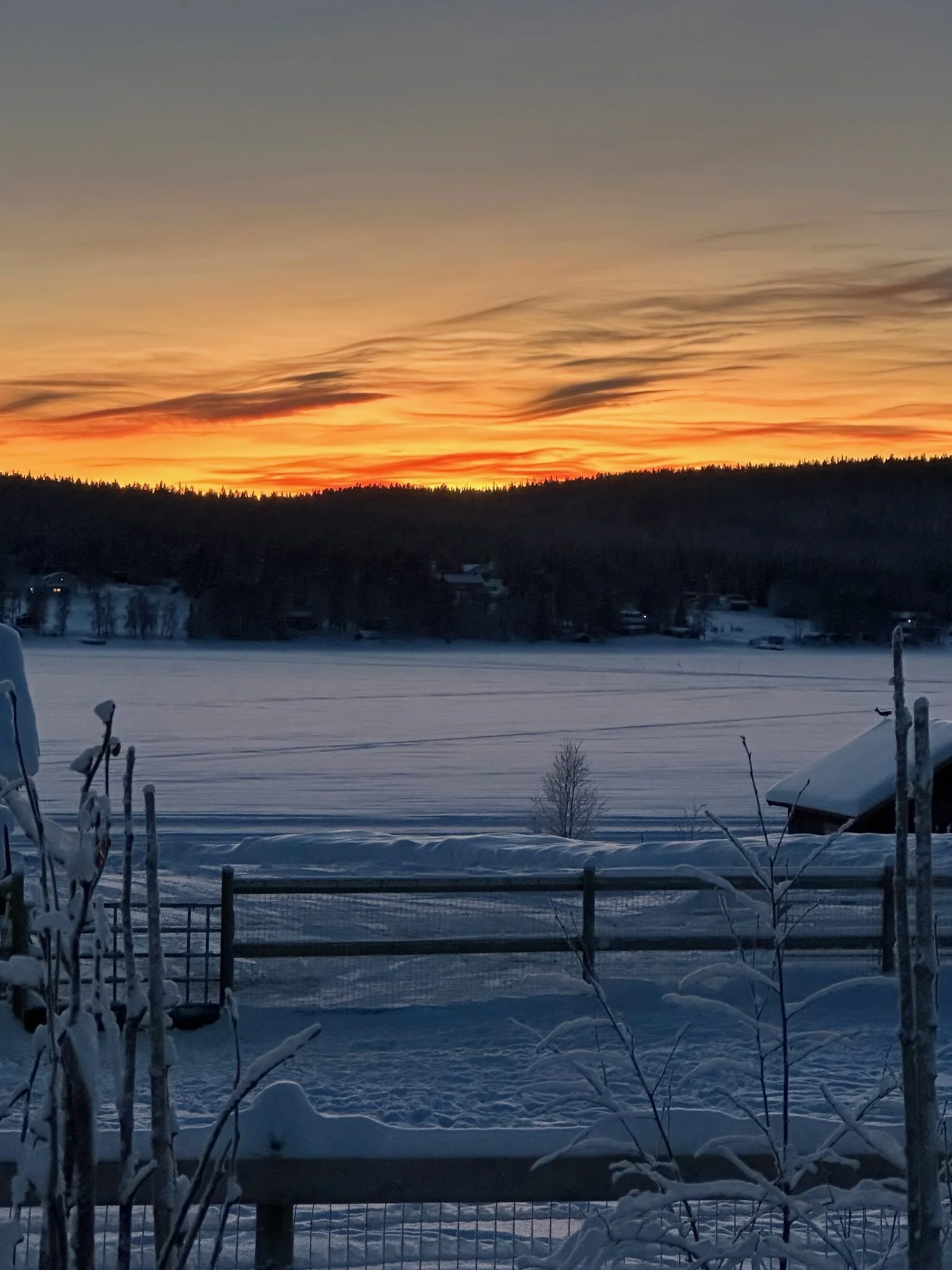
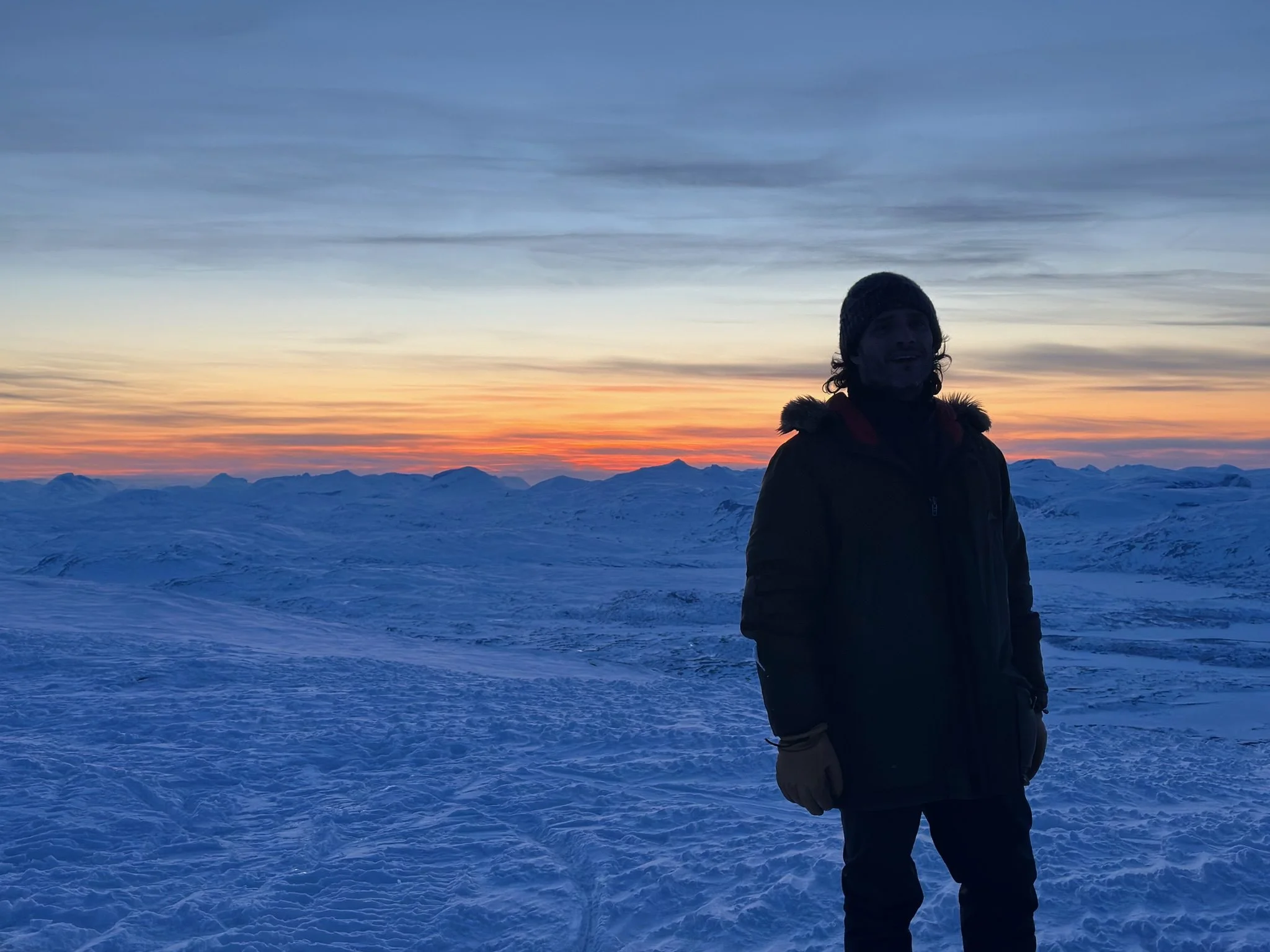
One of the most fascinating aspects of Kiruna’s winter is the polar night, which lasts from early December to mid-January.
During this time, the sun does not rise above the horizon, resulting in a continuous twilight. This unique phenomenon creates a surreal atmosphere, with the landscape bathed in shades of blue and purple. Despite the lack of direct sunlight, the soft glow of the sky and the reflection off the snow provide a certain luminescence.
Snow and Precipitation
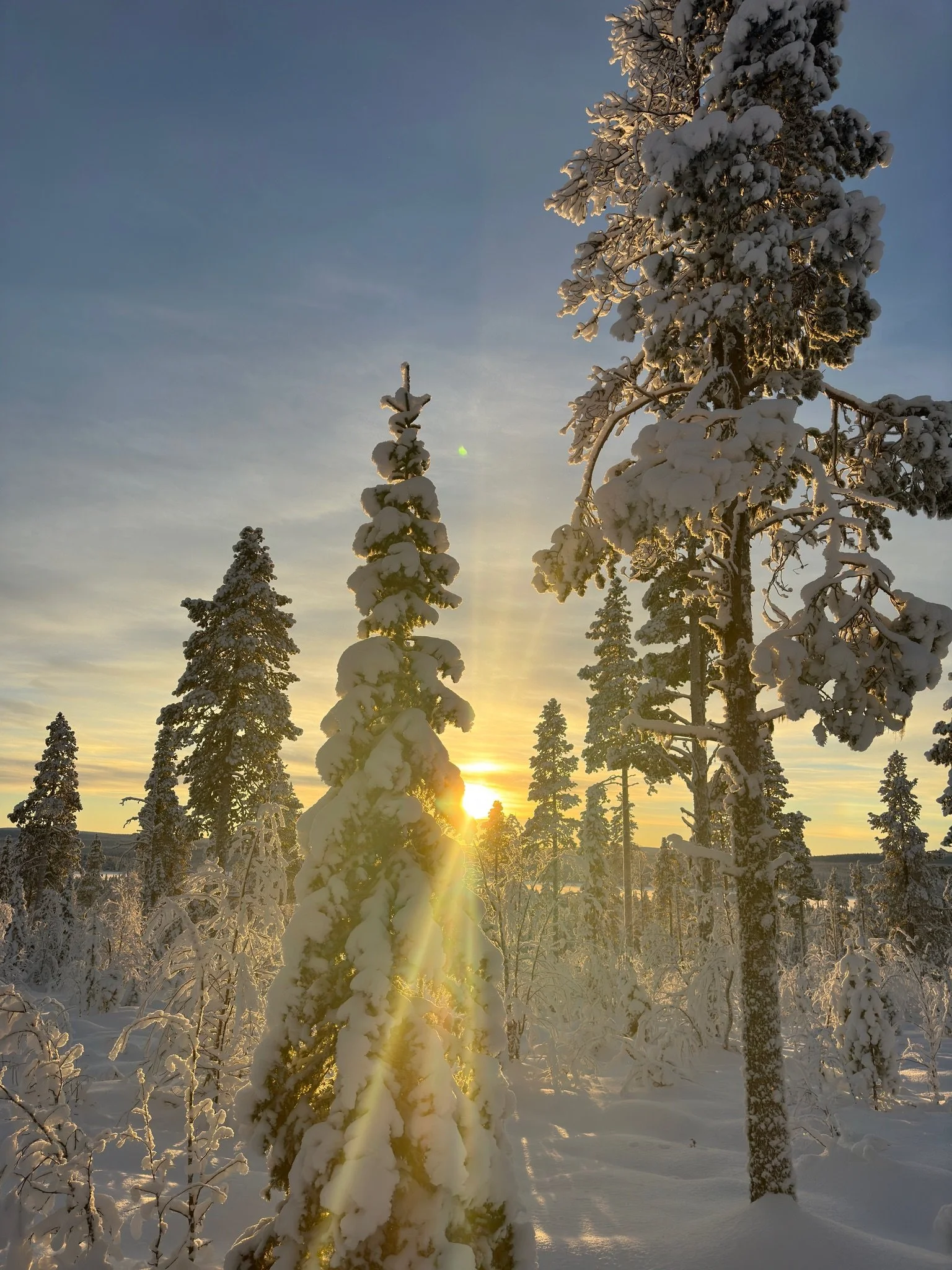
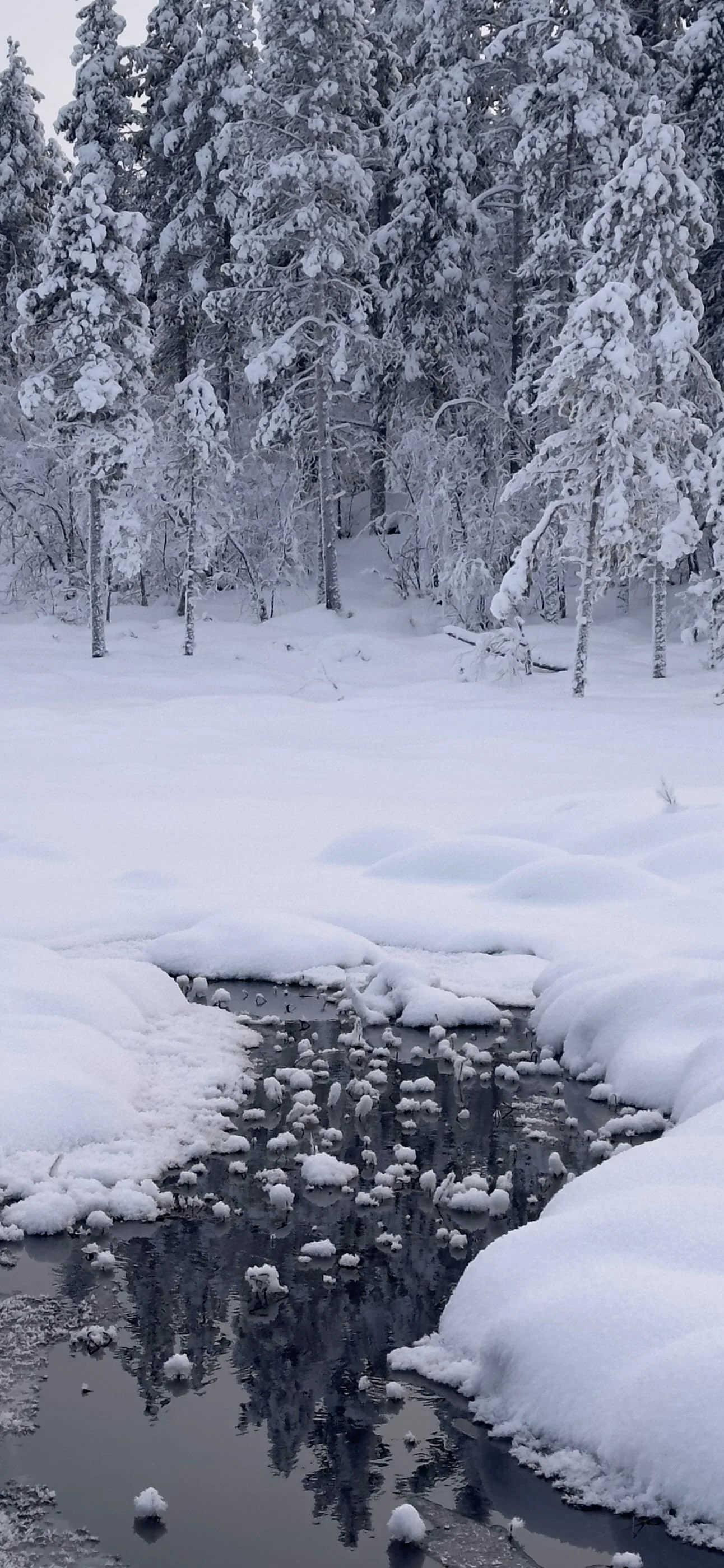
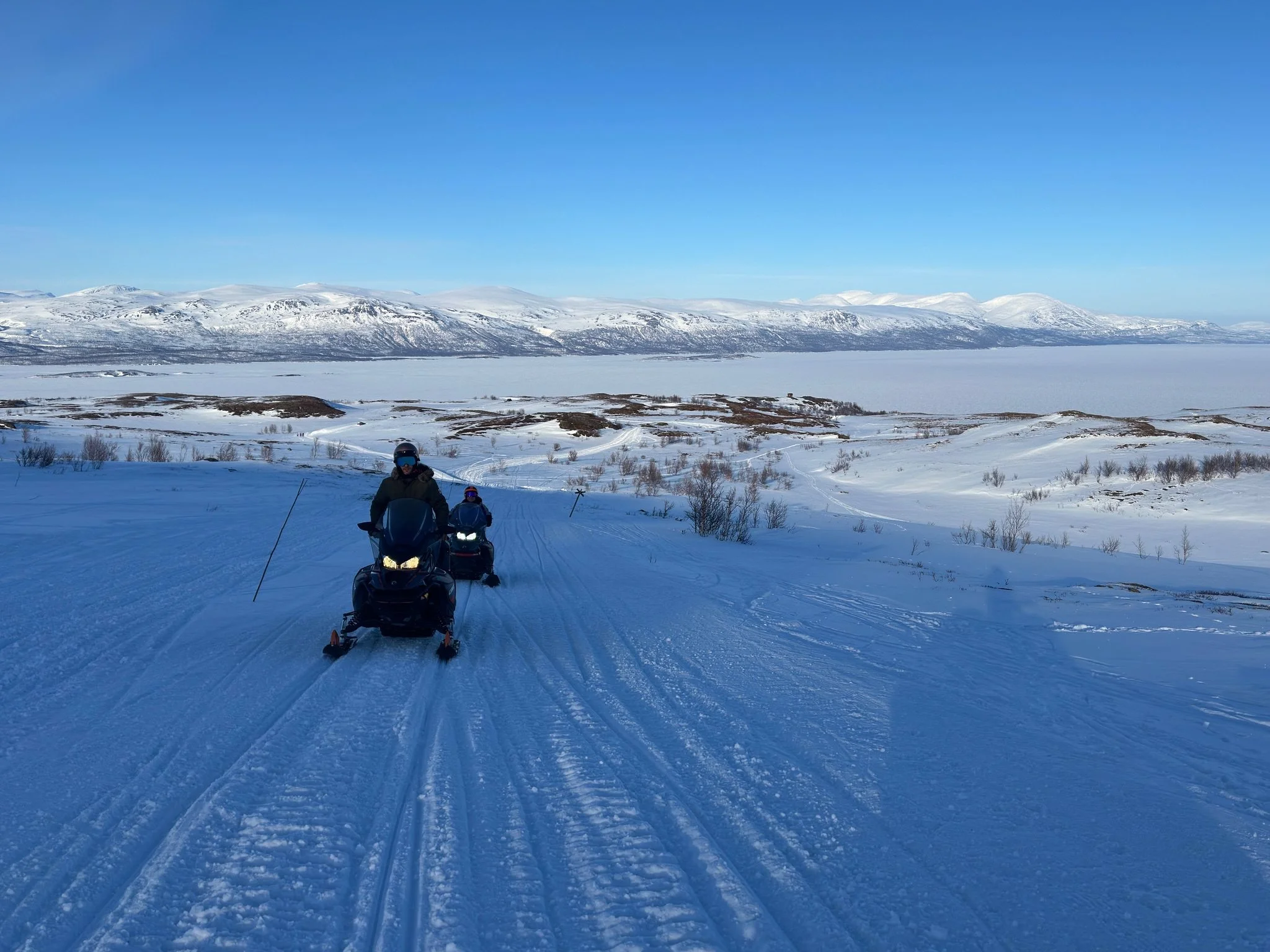
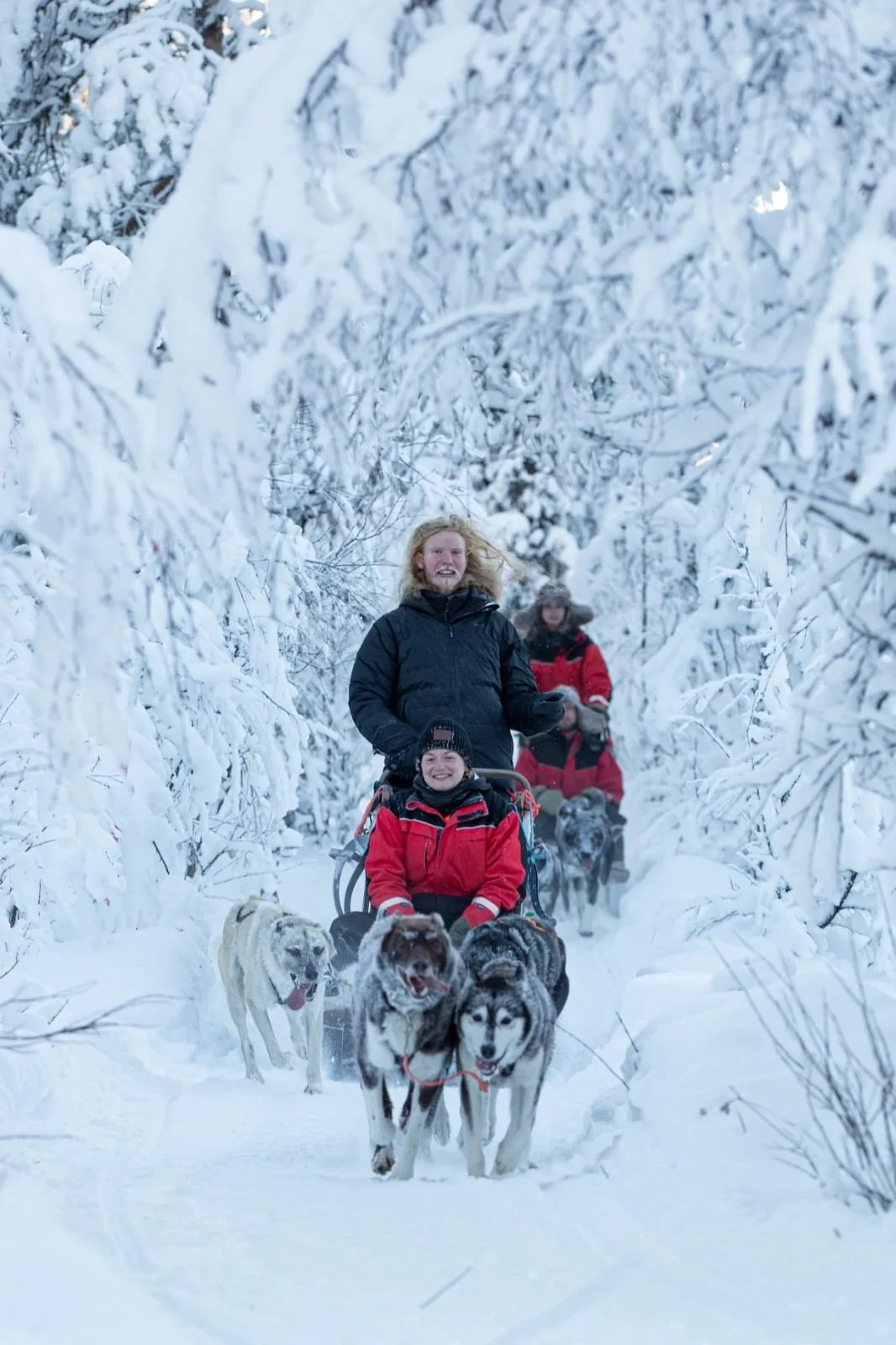
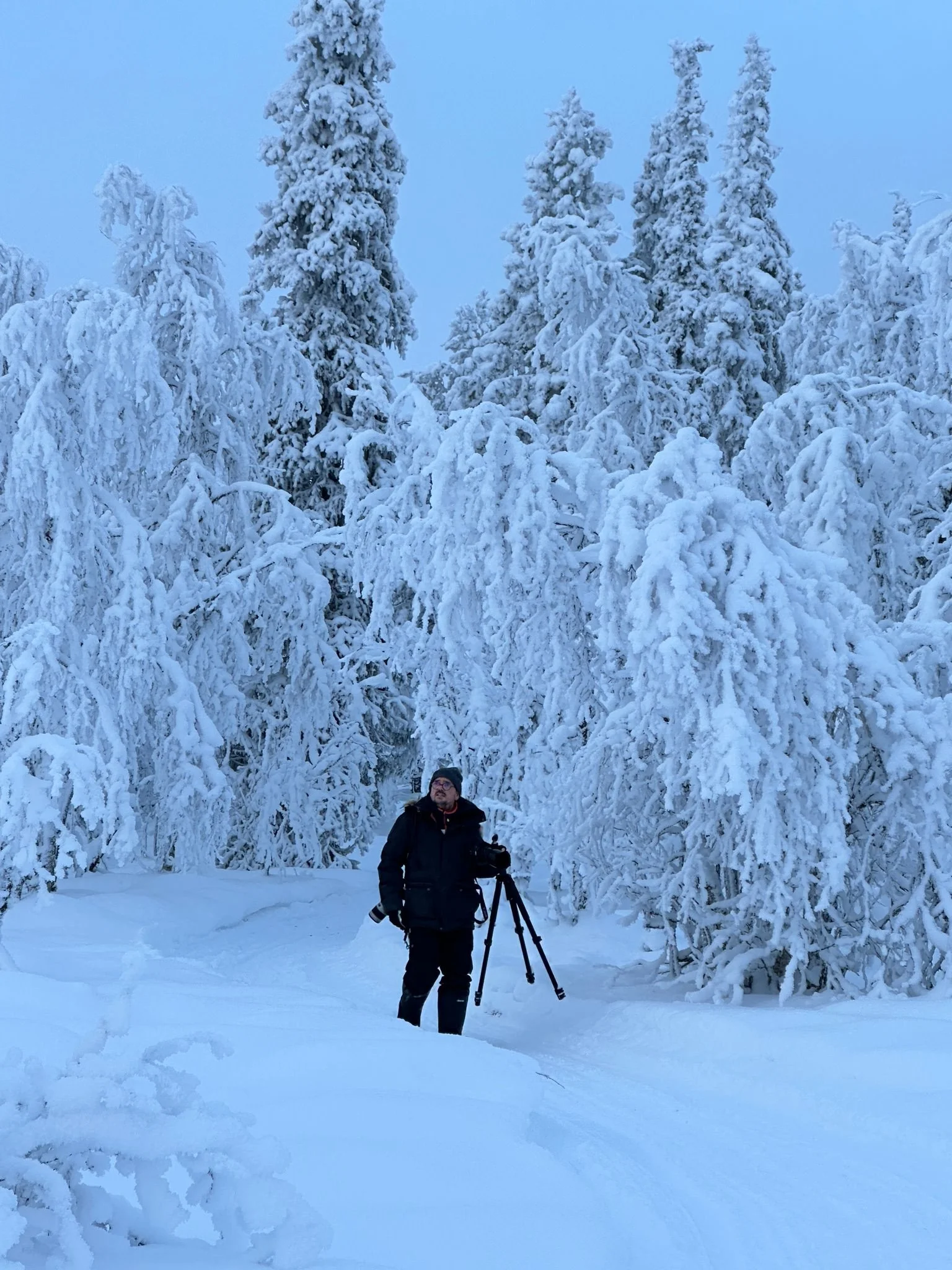
Kiruna receives a substantial amount of snowfall, which begins in October and can persist until May.
The snow cover is thick and persistent, often exceeding a meter (over three feet) in depth at the height of winter. Snowfall is typically light and powdery, ideal for winter sports like skiing and snowmobiling. Precipitation is relatively low, with most of it falling as snow due to the cold temperatures.
Wind and Weather Patterns
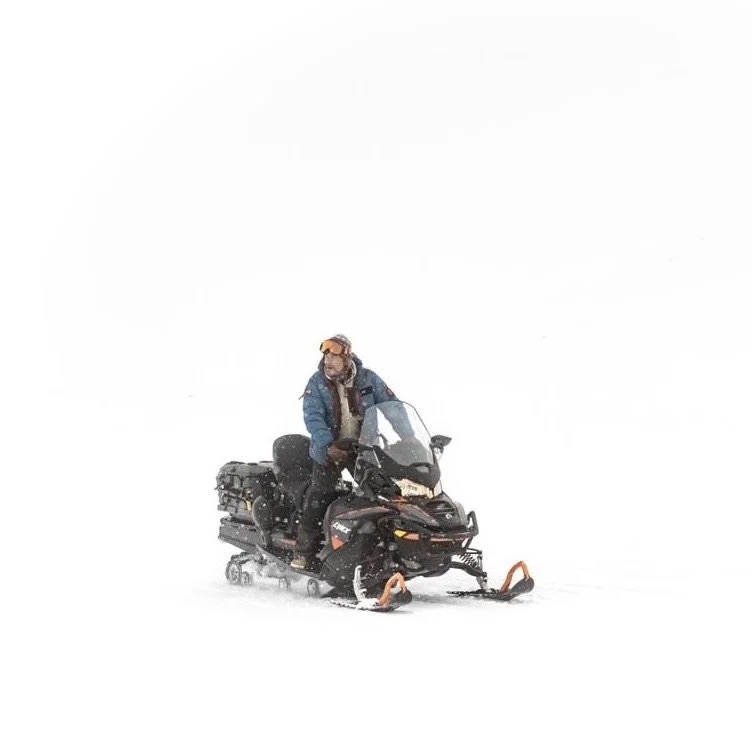
Winds in Kiruna can be quite strong, especially during storms, which can lead to wind chill factors making the air feel even colder.
The combination of low temperatures and high winds can create severe weather conditions, sometimes resulting in blizzards that reduce visibility and make travel hazardous.
Aurora Borealis
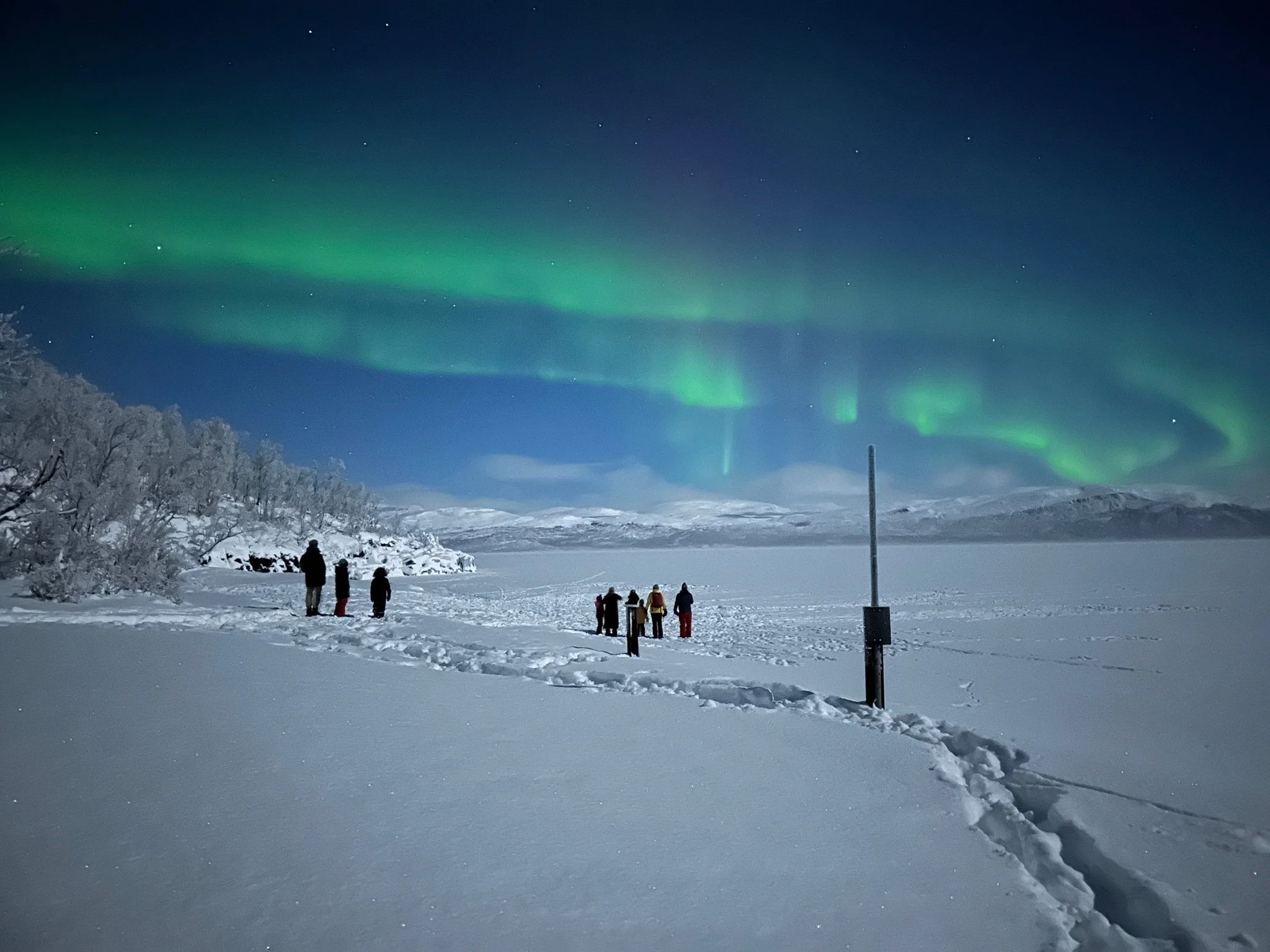
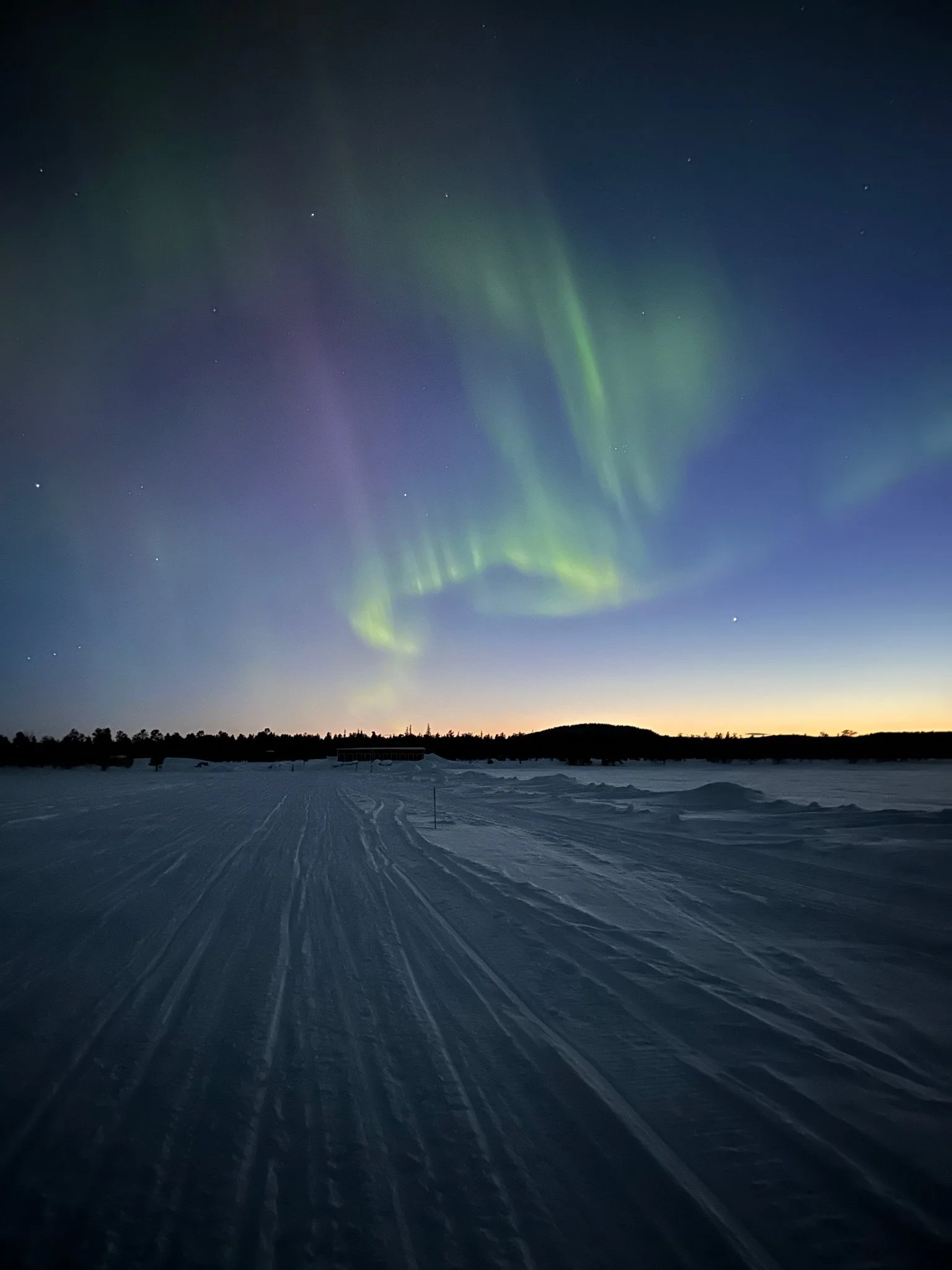
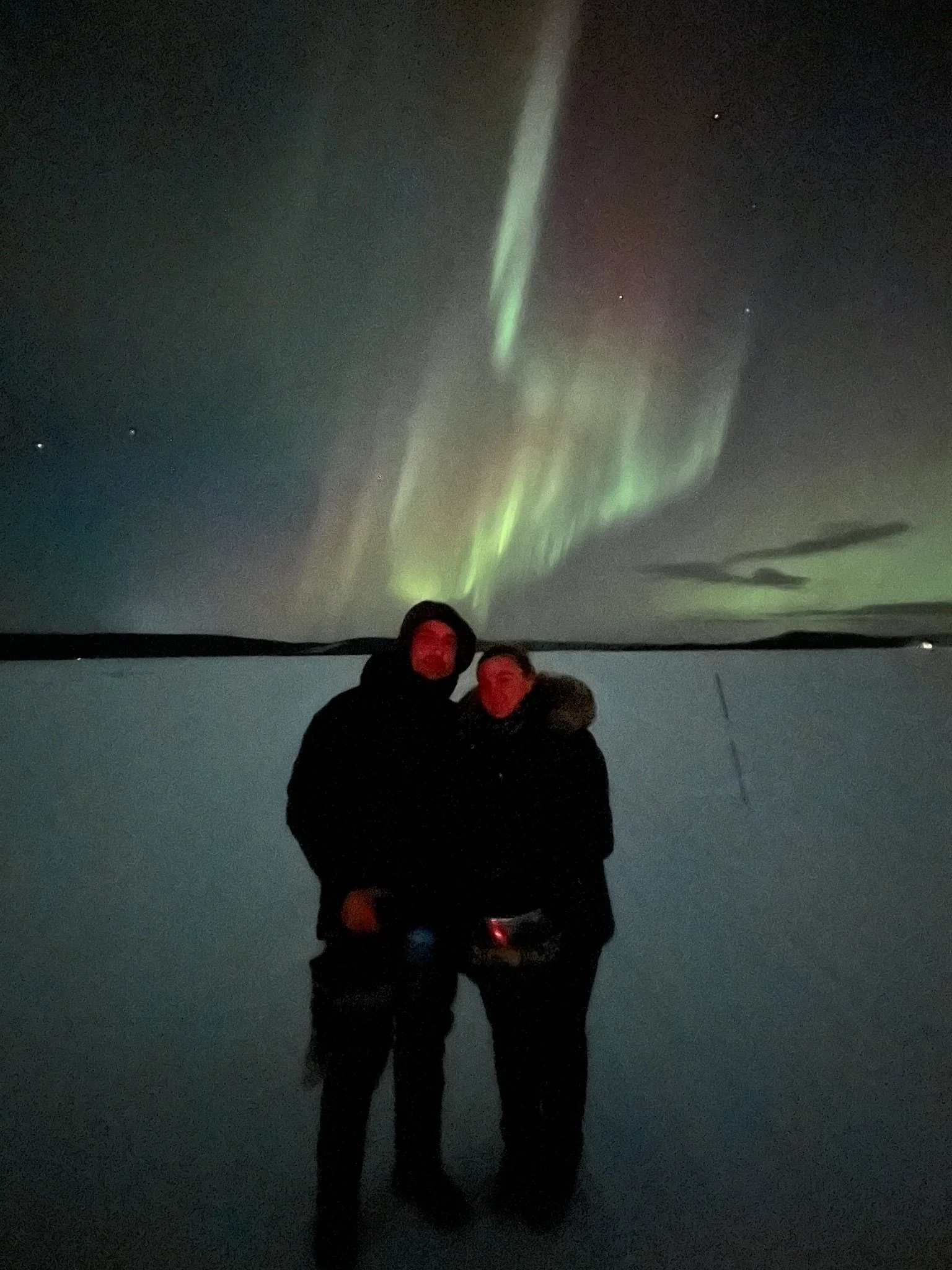
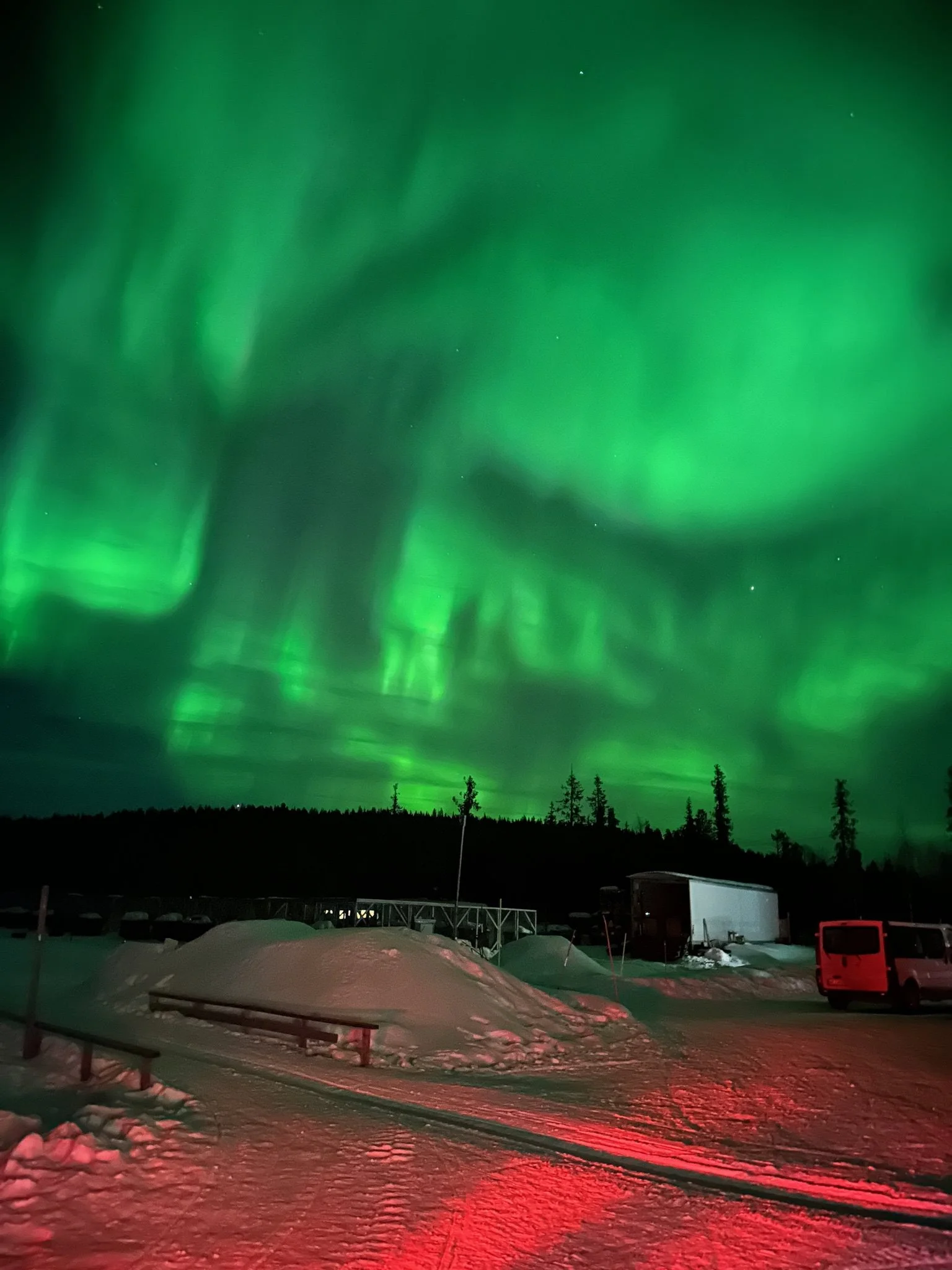
One of the most awe-inspiring aspects of Kiruna's winter is the frequent display of the Aurora Borealis, or Northern Lights.
The long nights and clear skies provide ideal conditions for viewing this natural phenomenon. The lights, caused by solar particles interacting with the Earth’s magnetic field, paint the sky in vibrant greens, pinks, and purples, creating an unforgettable spectacle.
Polar Stratospheric Clouds
In Lapland, which lies within the Arctic Circle, the polar stratospheric clouds (PSCs) likely to be found during the winter are primarily Type I PSCs. These clouds form at extremely low temperatures, typically around -85°C (-121°F), common in the Arctic stratosphere during the polar night.
Characteristics of Type I PSCs:
Composition:
Type I PSCs are mainly composed of nitric acid and water. They can be further categorised into two subtypes.
- Type Ia: Consists of crystalline nitric acid trihydrate.
- Type Ib: Contain supercooled ternary solution droplets, a mixture of nitric acid, sulfuric acid, and water.
Formation:
- These clouds form at altitudes between 15,000 and 25,000 meters (49,000 to 82,000 feet).
- The extremely low temperatures in the Arctic stratosphere during winter, often facilitated by the polar vortex, provide the conditions for these clouds to form.
Impact on Ozone Depletion
Type I PSCs play a crucial role in ozone depletion. The surfaces of these clouds facilitate chemical reactions that release reactive chlorine and bromine compounds from human-made pollutants. These reactive compounds then catalyse the destruction of ozone molecules in the stratosphere, leading to the thinning of the ozone layer.
Visual Appearance
Type I PSCs tend to be less bright and less vividly coloured compared to Type II PSCs, which are composed primarily of water ice. They appear more diffuse and have a subtle iridescence due to the scattering of light by their microscopic particles.
Occurrence in Lapland
Lapland experiences long, dark winters with extended periods of polar night, creating an environment conducive to forming PSCs. A stable polar vortex enhances the likelihood of the extremely low temperatures needed for these clouds to form. Consequently, Type I PSCs are more common in Lapland's stratosphere during winter months.
In summary, Type I PSCs, primarily composed of nitric acid and water, are the most likely type to be found in Lapland. These clouds form under extremely cold conditions in the Arctic stratosphere and contribute significantly to the process of ozone depletion.
The Polar Vortex
The polar vortex is a large area of low-pressure and cold air surrounding the Earth's poles. It is a persistent, large-scale cyclone located near the poles, found in the middle and upper troposphere and the stratosphere. The term "vortex" refers to the counterclockwise flow of air that helps keep the colder air near the poles. There are polar vortices at both the North and South Poles.
Structure and Dynamics
Formation
The polar vortex forms primarily due to the temperature gradient between the polar regions and the mid-latitudes. During winter, the contrast between the warm air from the equator and the cold air from the poles intensifies, strengthening the vortex.
Location and Altitude
The polar vortex exists in the stratosphere and the upper troposphere, typically extending from 10 kilometres (6 miles) to 50 kilometres (30 miles) above the Earth's surface. It is strongest in the stratosphere during the winter months.
Seasonal Variations
Winter: The polar vortex is strongest in winter due to the greater temperature contrast between the poles and the equator. It can sometimes expand, sending cold Arctic air southward, leading to cold weather outbreaks in the mid-latitudes.
Summer: The vortex weakens significantly and sometimes becomes almost undetectable, as the temperature gradient diminishes.
Environmental Significance
Ozone Depletion: In the stratosphere, the polar vortex isolates cold air, which can form polar stratospheric clouds. These clouds facilitate chemical reactions that result in ozone depletion, particularly over Antarctica.
Circulation
The vortex rotates counterclockwise in the Northern Hemisphere and clockwise in the Southern Hemisphere. This circulation acts as a barrier that confines cold polar air within the polar regions.
Impact on Weather
Cold Air Outbreaks: When the polar vortex weakens or becomes distorted, pieces of it can break off and move southward, bringing unusually cold temperatures to lower latitudes.
- Stratospheric Warming Events: Sudden stratospheric warming events can disrupt the polar vortex, leading to changes in weather patterns and potentially prolonged periods of extreme cold weather.
Winter in Kiruna is marked by extreme cold, stunning natural beauty, and unique challenges. From the mesmerising polar night and Northern Lights to the deep snow and frigid temperatures, the region offers an unparalleled winter experience. The resilience and adaptability of the people living in Kiruna are a testament to the human spirit's capacity to thrive in even the harshest environments.
-
The Sámi Culture
-
Wildlife
-
Flora, Fungi & Mushrooms